A natural look without incisions
Buried-suture & natural-adhesion methods
What is the buried-suture method?
The buried-suture method is a procedure that forms a double-eyelid line by supporting the tissue with ultra-fine medical sutures, without making any incisions. Compared with the incisional method, downtime tends to be relatively short and the risks of swelling and bruising are reduced, making it widely regarded as the standard double-eyelid procedure.
At our clinic, the procedure is performed by a physician with surgical experience in eyelid anatomy and oculoplastic surgery. Based on each patient’s eyelid condition and desired line, we propose a suitable method from several plan options.
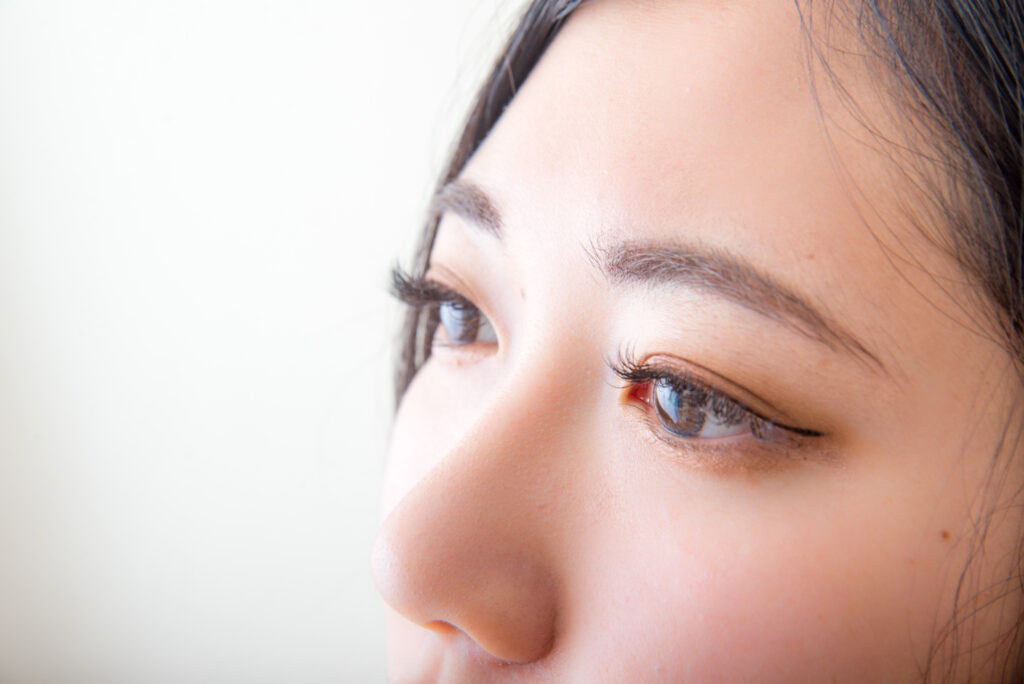
WORRIES — Recommended for

・Want to stop using eyelid glue or tape
・Want brighter, more open-looking eyes
・Want to expand your makeup options
・Want a double eyelid without incisions
・Want to keep downtime to a minimum
・Want a natural, unobtrusive line
・Want a buried-suture method designed for durability
・Not satisfied with a previous buried-suture procedure
PLANS — Two surgical methods
We offer two types of buried-suture procedures based on each patient’s eyelid condition, preferences, and lifestyle. After consultation and physician examination, we recommend the most suitable method.
Buried-suture method (point fixation)
The standard buried-suture method, which forms a double-eyelid line by securing the tissue with medical sutures at 2 to 3 points. The procedure is relatively short and downtime is generally mild, making it accessible to first-time patients considering double-eyelid surgery.
- 2-point fixation: A basic plan, for those who prefer a natural inner-fold or slightly wider double eyelid
- 3-point fixation: A plan designed for added stability, for those wanting a wider line or improved durability
Natural-adhesion method (line fixation)
Our premium plan. A buried-suture technique that supports eyelid tissue with a single suture in a mesh-like pattern. Because no subcutaneous dissection is performed, invasiveness is reduced, and the line-supported structure is designed with stability in mind.
This plan is chosen by patients who want to “minimize swelling as much as possible” or “achieve a long-lasting double eyelid.”
*Method characteristics describe general tendencies; results, recovery, and final appearance vary by individual. Outcomes are not guaranteed.
COMPARISON — Method comparison
| 2-point fixation | 3-point fixation | Natural-adhesion method | |
|---|---|---|---|
| Stability | Standard | Stronger | Stronger |
| Swelling / bruising | Generally mild | Generally mild | Generally minimal |
| Final appearance | Natural | Suitable for wider lines | Designed for a natural line |
| Subcutaneous dissection | None | None | None |
| Suitable for | First-time patients Natural inner-fold preference | Wider double-eyelid preference Durability-focused | Patients wanting to minimize swelling Long-lasting results |
*The above describes general tendencies; results, recovery, and final appearance vary by individual.
*The applicable method is determined by the physician based on the eyelid condition (skin thickness, fat volume, levator function, etc.).
FEATURE — Our clinic’s strengths
Procedure performed by a physician specializing in oculoplastic surgery
The surgery is performed by a physician with experience in oculoplastic surgery and detailed knowledge of eyelid anatomy. Drawing on a background that includes blepharoptosis surgery and other eye-area procedures, the physician adjusts the surgery to each patient’s eyelid condition.
Three plans to choose from
We offer three plans: 2-point fixation, 3-point fixation, and the natural-adhesion (line fixation) method. Based on eyelid condition, desired line width, and lifestyle (priority on durability vs. cost), the physician proposes the most suitable plan.
Pain-conscious procedure
We combine topical eye-drop anesthesia with local anesthesia for comfort. Nitrous oxide (laughing gas) sedation is also available as an option upon request. We use ultra-fine needles to help reduce discomfort during anesthetic injection.
One-year revision guarantee
If the line disappears within one year of the procedure, we offer a free re-suture at the same width (conditions apply). We are committed to long-term results and provide ongoing support so you can feel confident in your choice.
Value-conscious pricing through reduced advertising spend
Our clinic operates without spending heavily on large-scale paid advertising. Instead, we direct that value back into the physician’s surgical expertise, post-operative follow-up, and post-operative oral medications.
Important notes (risks, side effects, downtime)
| Procedure time | 2-point / 3-point fixation: approx. 20–30 min / Natural-adhesion: approx. 30–45 min |
|---|---|
| Anesthesia | Topical eye-drop + local anesthesia (nitrous oxide and IV sedation also available as options upon request) |
| Hospitalization | Not required (same-day procedure) |
| Suture removal | Not required |
| Downtime | Post-operative swelling and bruising may occur. These typically become inconspicuous within 1–2 weeks, although the degree of swelling varies by individual. |
| Makeup | Possible from the day after surgery (avoid rubbing the area). Makeup directly on the surgical site should be avoided for several days. |
| Face washing / showering | Possible from the same day, but avoid rubbing the surgical area. Bathing, sauna, and vigorous exercise should be avoided for several days. |
| Contact lenses | Avoid wearing for approximately 1 week after the procedure. |
| Main risks & side effects | Post-operative swelling, bruising, pain, foreign-body sensation, gritty feeling, suture exposure to the conjunctiva, asymmetry, irregular line, line loss (sutures coming undone), infection, granuloma formation, visible suture, lid-opening difficulty, dry eye, and individual variation in satisfaction with results. |
| Possibility of line loss | Because the buried-suture method supports the eyelid with sutures, the line may fade or come undone over time due to factors such as eye-rubbing habits, hay fever, or contact lens use. |
| Suture removal option | We can also remove the sutures. If you wish to change the design or revert to the original eyelid after the procedure, we can discuss removal following an examination (additional fee applies). |
| Patients who cannot receive this treatment | Those with severe blepharoptosis or skin laxity (blepharoptosis surgery may be recommended first); those with active infection or dermatitis around the eyelids; those prone to keloid formation; those with bleeding tendencies; those taking anticoagulants; pregnant or breastfeeding individuals; those with poorly controlled systemic conditions; minors (parental consent required); and others judged unsuitable by the physician. |
*The above describes a general course; pain, downtime, and effects vary by individual.
*Procedure time does not include consultation or physician examination.
*Please inform us during consultation if you have any medical history, current medications, or allergies.
*If you have severe skin laxity or excess fat, the incisional double-eyelid method may be more appropriate.
FLOW — Procedure steps
The physician examines the eyelid condition (skin thickness, fat volume, levator function, asymmetry, etc.) and asks about your desired line and width. Using simulation, we propose suitable methods and plans, fine-tuning the design carefully until you are fully satisfied.


After removing your makeup, we confirm the final double-eyelid design before the procedure. We simulate the line repeatedly with a mirror and proceed only after you are fully satisfied.
After applying topical eye-drop and local anesthesia, the procedure begins. We check left-right balance and the final appearance throughout the procedure while keeping you informed.


After the procedure, we cool the area with ice packs to help reduce swelling. We explain post-operative precautions and dispense oral medications. After confirming the final result in a mirror, you are free to go home.
As needed, we conduct follow-up appointments approximately 1 week to 1 month after the procedure to confirm how swelling has subsided, check left-right balance, and assess line stability. Please contact us at any time if you have concerns.

Physician’s comment
About the buried-suture method
The buried-suture method is often described as an accessible procedure, but in reality the design and suture placement, down to the millimeter, can significantly affect the result and recovery.
At our clinic, the procedure is performed by a physician with surgical experience in eyelid anatomy and oculoplastic surgery. Drawing on a background that includes blepharoptosis surgery and insurance-covered procedures, we examine each patient’s eyelid structure and recommend a suitable method and suture pattern.
We offer three plans. “2-point fixation” is a basic plan, suited for those wanting a natural inner-fold double eyelid. “3-point fixation” is designed with added stability for patients who prefer a wider double-eyelid line or prioritize durability. The “natural-adhesion method (line fixation)” is a buried-suture technique using a single suture in a mesh-like pattern; because no subcutaneous dissection is performed, this premium plan aims for both reduced swelling and long-term stability.
The most important point is choosing a method that matches your needs. During examination, we make recommendations based on your desired line, eyelid condition, and lifestyle (such as contact lens use or eye-rubbing habits).
Because the buried-suture method involves no incisions, we can also accommodate later requests for design changes or suture removal (conditions apply). If you want to “stop relying on eyelid glue” or are “considering a natural double eyelid,” please feel free to contact us.
Together Menu — Recommended combinations
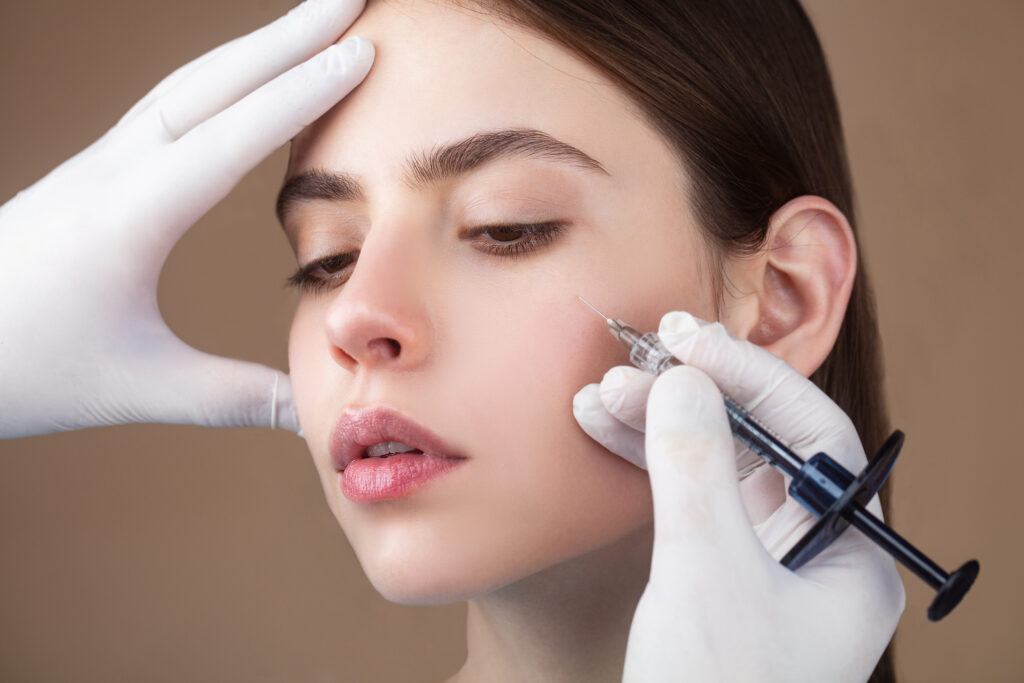
In combination with double-eyelid surgery, you may also wish to discuss other procedures that affect the eye area. We offer comprehensive eye-area planning including upper-lid fat removal (same-day procedure available), Botox around the eyes, hyaluronic acid filler near the eye area, and blepharoptosis surgery.

Q&A (FAQ)
- Which plan should I choose?
-
The choice depends on your eyelid condition, desired line width, durability priorities, and budget. After examining your eyelid structure (skin thickness, fat volume, levator function, etc.), the physician will recommend a suitable plan during consultation. First-time patients seeking a natural line often start with 2-point fixation, while those who want minimal swelling or long-lasting results often consider the natural-adhesion method.
- Which is better, the buried-suture method or the incisional method?
-
For patients with thin eyelids and minimal fat, the buried-suture method generally creates a clean line easily. Conversely, for patients with thick eyelids, abundant fat, or significant skin laxity, the incisional method may be more appropriate. We assess your eyelid condition during consultation and discuss the best option together.
- Is the free re-suture within one year really available?
-
Yes, if the line completely disappears within one year of the procedure, we offer a free re-suture at the same width. However, this determination is made by the physician’s examination, and cases where the line has only “become shallower” are not eligible. Full details are explained before the procedure.
- Is the procedure or recovery painful?
-
We combine topical eye-drop anesthesia with local anesthesia to manage discomfort during the procedure. You may feel a brief sting from the anesthetic injection. Mild pain or discomfort may persist for a few days after surgery, but in most cases the prescribed oral medication is sufficient to manage it.
- When can I return to work?
-
Most patients return to daily life the day after the procedure. However, swelling and bruising may be visible for a few days, so patients in client-facing roles may want to plan for 3 to 7 days off as a precaution. The natural-adhesion method tends to involve less swelling than other plans, making it an option for those who want minimal downtime.
- Which method has the best durability?
-
In terms of fixation strength, 3-point fixation and the natural-adhesion method (line fixation) are typically considered more durable. The natural-adhesion method supports the tissue with a single suture in a mesh-like configuration, positioning it as a method designed for stability. That said, longevity also depends on eyelid condition and lifestyle factors (contact lens use, eye-rubbing habits, etc.), so please discuss your situation during consultation.
- Can I have fat removal done on the same day?
-
Yes, for patients with significant upper-lid fat, fat removal can be performed on the same day as the buried-suture procedure. Combining fat removal can help create a cleaner line in some cases. Please discuss this during consultation.
- Can I revise a buried-suture procedure done at another clinic?
-
Yes, we accept revisions and re-sutures of procedures performed at other clinics (additional fee applies). Whether revision is possible depends on the previous procedure and current condition, so please come in for an examination first. Suture-only removal is also available.
- Are male patients welcome?
-
We welcome male patients. Male patients often prefer a natural inner-fold line, and 2-point fixation or the natural-adhesion method are common choices. The natural-adhesion method, with its tendency toward less swelling, is particularly considered by those who want to minimize visible signs in the workplace or social settings. We also pay attention to a discreet patient flow and privacy for male patients.
- Can pregnant or breastfeeding patients receive this treatment?
-
For safety reasons, we ask pregnant and breastfeeding patients to refrain from receiving the procedure. We recommend consulting after breastfeeding has ended and your physical condition has stabilized.
- Can minors receive this treatment?
-
Procedures for minors require a signed consent form from a parent or legal guardian. Our staff will call the guardian to confirm. During consultation, we also carefully discuss whether the procedure is truly necessary.
- Can the sutures be removed?
-
Yes, suture removal is available. If you wish to change the line or revert to the original eyelid after the procedure, we can discuss removal following an examination (additional fee applies). Depending on suture position and tissue adhesion, removal may be difficult in some cases, which the physician will explain during examination.
Why patients choose us

I thought the buried-suture method would be the same anywhere. What’s distinctive about your clinic?

The buried-suture method is known for results that vary noticeably based on the surgeon. At our clinic, the surgery is performed by a physician with experience in oculoplastic surgery and detailed knowledge of eyelid anatomy. Drawing on a background that includes blepharoptosis surgery, we tailor the procedure to each patient’s eyelid structure. We also offer three plans, from 2-point fixation to the natural-adhesion method (line fixation), to match each patient’s needs. Our one-year revision guarantee further supports long-term results. If you are considering a natural double eyelid, please feel welcome to schedule a consultation.
Self-pay treatment information (details)
■ About self-pay treatment
This procedure is self-pay treatment not covered by Japan’s national health insurance. All listed prices are tax-included. Please refer to the “Pricing” page for details.
■ About the medical materials used
The medical sutures used in our buried-suture procedure (such as nylon sutures) are domestically approved medical materials in Japan.
■ Main risks & side effects
Post-operative swelling, bruising, pain, foreign-body sensation, gritty feeling, suture exposure to the conjunctiva, asymmetry, irregular line, line loss (sutures coming undone), infection, granuloma formation, visible suture, lid-opening difficulty, dry eye, and individual variation in satisfaction with results. Effects and recovery vary by individual.
■ About the one-year revision guarantee
If the line completely disappears within one year of the procedure, we offer a free re-suture at the same width. The determination of line loss is made by the physician’s examination. Cases where “the line has become shallower” or “the line is less visible than expected” are not eligible.
■ About suture removal
Suture removal is available (additional fee applies). Depending on suture position and tissue adhesion, removal may be difficult in some cases.
■ Patients who cannot receive this treatment
Those with severe blepharoptosis or skin laxity; those with active infection or dermatitis around the eyelids; those prone to keloid formation; those with bleeding tendencies; those taking anticoagulants; pregnant or breastfeeding individuals; those with poorly controlled systemic conditions; minors (parental consent required); and others judged unsuitable by the physician.
*All listed treatments are self-pay (not covered by Japanese national health insurance). *All listed prices are tax-included.
Our Doctors
Supervising Physician / Aesthetic Surgeon
Yuki Takamido, MD
Specialties
Aesthetic surgery / Oculoplastic surgery
Career
2014: Graduated from Mie University School of Medicine
2015: Meitetsu Hospital
2017: Fujita Health University Hospital — Assistant Professor
2020: Founded Flamingo Aesthetic Clinic
2021: Branch director, Shiromoto Clinic Aesthetic Surgery
2021: Co-founded Viviage Clinic (Kokoukai Medical Corporation)
2022: Ace Clinic (Ichibikai Medical Corporation)
2023: Director, Sakae Aesthetic Clinic — Sakae branch
Currently: VIVIAGE ZONNE CLINIC (Kokoukai Medical Corporation)
Areas of expertise
Hyaluronic acid filler, thread lift
Eyelid surgery (lower-eyelid fat removal for dark circles, transcutaneous & transconjunctival Hamra technique, midface lift, double-eyelid surgery, blepharoptosis surgery)
Aesthetic dermatology procedures
Society memberships
Japanese Society of Oculoplastic and Reconstructive Surgery
Japan Society of Aesthetic Plastic Surgery
Japanese Society of Aesthetic Dermatology
Japanese Society of Anti-Aging Medicine
Days available
Wednesday, Friday (10:00–17:30)
Occasional Saturdays (dates vary; please confirm by phone or LINE)

Director
Minoru Horisawa, MD
Book a Consultation / Contact Us
If you have any concerns, please feel free to reach out.
Our consultation, including the doctor’s examination, is available free of charge.
Hours: Mon, Tue, Wed, Fri, Sat 10:00–17:30 (Closed Thu, Sun)
T.O Building 4F, 3-33-30 Sakae, Naka-ku, Nagoya — about a 4-minute walk from Yabacho Station