Blepharoptosis surgery (insurance-covered)
Improving the visual field and the look of the eyes
What is blepharoptosis?
Blepharoptosis (drooping eyelid) refers to a condition in which the upper eyelid sags over the pupil, narrowing the visual field. Causes range from congenital ptosis to acquired forms due to aging, long-term contact lens use, habitual eye-rubbing, or post-surgical changes.
Beyond a narrowed field of view, unconsciously using the forehead muscles to lift the eyelids can affect daily life in various ways, including forehead wrinkles, shoulder stiffness, headaches, eye strain, and a tired-looking facial expression.
At our clinic (VIVIAGE ZONNE CLINIC), under the physician’s examination, we offer two insurance-covered surgical options depending on the symptoms: “levator advancement” or “sub-brow lift (sub-eyebrow skin excision)”.
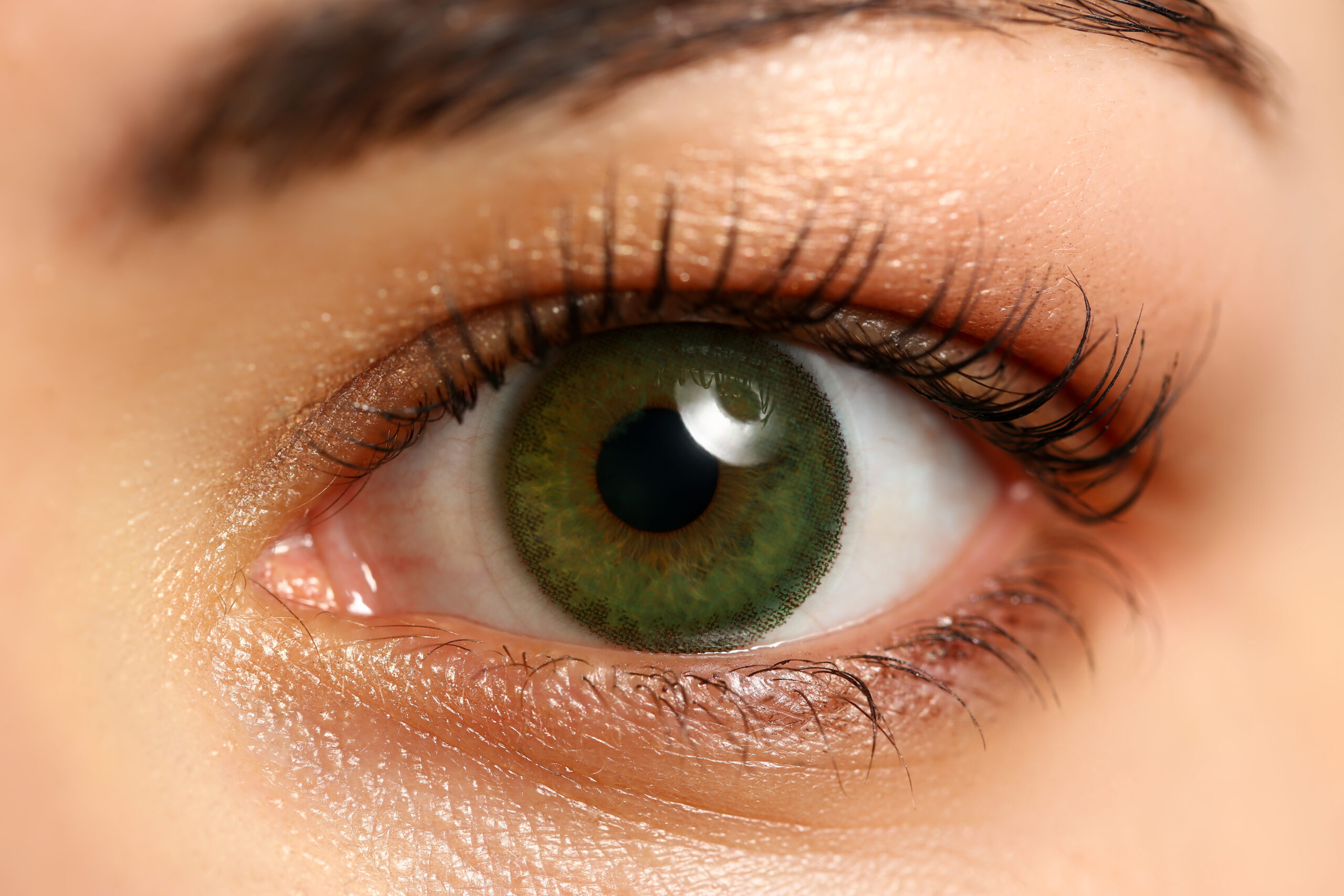
SYMPTOMS Are you experiencing any of these?

・Your upper eyelids feel heavy
・Your visual field seems narrower
・Deep wrinkles have appeared on your forehead
・You experience persistent shoulder stiffness, headaches, or eye strain
・People say you look “sleepy” or “tired” in photos
・You have a long history of contact lens use
・You have a habit of rubbing your eyelids
・You find it difficult to open your eyes without raising your forehead or eyebrows
These may be signs of blepharoptosis. Because blepharoptosis is not simply a cosmetic concern—it can also affect your visual field and overall well-being—we recommend examination and diagnosis.
SURGERY Two insurance-covered surgical options
Depending on the cause and severity of blepharoptosis, our clinic offers two insurance-covered surgical options. After consultation and examination by the physician, we will discuss the most suitable approach for you.
Levator advancement
This procedure is used when the function of the levator palpebrae superioris—the muscle that lifts the eyelid—has weakened. An incision is made along the double-eyelid line, and the loosened levator aponeurosis is reattached to the tarsal plate, supporting the eyelid-lifting force.
- Indications: aponeurotic blepharoptosis (caused by aging, long-term contact lens use, etc.)
- Incision site: along the upper-eyelid double-eyelid line
- Anesthesia: local anesthesia
- Duration: approximately 60–90 minutes for both eyes
- Suture removal: about 1 week later
- Estimated cost: approximately JPY 40,000–50,000 for both eyes (typical guide for 30% co-payment)
Sub-brow lift (sub-eyebrow skin excision)
This procedure is used when sagging upper-eyelid skin is narrowing the visual field. An incision is made just below the eyebrow and the lax skin is excised, helping to reduce eyelid heaviness and restore the field of view. Because the scar lies along the lower edge of the eyebrow, post-operative changes in appearance tend to be less conspicuous.
- Indications: pseudo-blepharoptosis from skin laxity; those who do not want to alter the existing double-eyelid line
- Incision site: just below the eyebrow
- Anesthesia: local anesthesia
- Duration: approximately 60 minutes for both eyes
- Suture removal: about 1 week later
- Estimated cost: approximately JPY 20,000–30,000 for both eyes (typical guide for 30% co-payment)
*The cost is a guide that includes the surgical fee, pre-operative testing fee, and medication fee. Actual amounts vary depending on the insurance co-payment rate and individual circumstances.
*Eligibility is determined by detailed pre-operative examination. After examination, the procedure may be deemed not eligible for insurance coverage.
FEATURE What sets us apart
Performed by an experienced physician
Surgery is performed by an experienced physician familiar with eyelid anatomy. We handle both levator advancement and the sub-brow lift, tailoring the procedure to each patient’s eyelid condition.
Two procedures matched to your condition
The most suitable procedure depends on the cause of the ptosis—reduced muscle function or skin laxity. Because we offer both levator advancement and the sub-brow lift, we can recommend the procedure that best fits your individual condition after examination.
Insurance coverage helps reduce the cost burden
If you are diagnosed with blepharoptosis and surgery is determined to be medically indicated, the procedure is covered by Japanese national health insurance. Compared with self-pay double-eyelid surgery or cosmetic procedures, this can help reduce the financial burden of surgery.
Functional improvement with attention to appearance
Alongside functional improvements such as restoring the visual field, we also pay close attention to appearance. Care is taken with scar formation and symmetry, with the goal of careful, well-considered surgery.
Outpatient surgery with attentive follow-up
Both levator advancement and the sub-brow lift are outpatient procedures that do not require hospitalization. Sutures are removed approximately 1 week post-op, and we provide attentive follow-up afterward.
Important notes (risks, side effects, downtime)
| Surgery duration | Levator advancement: approximately 60–90 minutes for both eyes / Sub-brow lift: approximately 60 minutes for both eyes |
|---|---|
| Anesthesia | Local anesthesia (intravenous sedation may be added if needed) |
| Hospitalization | Not required (outpatient procedure) |
| Suture removal | Please return to the clinic approximately 1 week after surgery |
| Downtime | Post-operative swelling and bruising typically subside within 1–2 weeks. Scars take several months to settle. |
| Makeup | Permitted after suture removal (approximately 1 week post-op). |
| Face washing & hair washing | Until suture removal, please be careful not to wet the tape or sutures. |
| Precautions | Please refrain from bathing, drinking alcohol, or vigorous exercise on the day of surgery. Discuss when you can resume contact lens use after suture removal. |
| Main risks & side effects | Post-operative swelling, bruising, pain, asymmetry, irregularities in the double-eyelid line, scarring (sub-brow for sub-brow lift; double-eyelid line for levator advancement), incomplete eyelid opening (over-opened or under-opened), dry eye, infection, scar formation, rarely lagophthalmos (incomplete eyelid closure), and individual variation in satisfaction with the result. |
| Revision surgery | If asymmetry or dissatisfaction with the result occurs, revision surgery may be necessary. Insurance coverage for revision surgery varies depending on the circumstances. |
| Those who cannot receive surgery | Those with severe heart disease or bleeding tendencies; those taking anticoagulants; those with poorly controlled diabetes or hypertension; those with active infections or dermatitis around the eyelids; those who are pregnant; or anyone the physician determines is unsuitable for surgery. |
*The above describes a typical course; pain, downtime, and results vary by individual.
*Please inform us of any medical history, current medications, or allergies at your first visit.
*Surgery may be deemed unsuitable based on pre-operative examination.
FLOW From visit to surgery
The physician will examine your eyelid condition (levator function, skin laxity, degree of pupil coverage, etc.) and assess the presence and severity of blepharoptosis. After discussing your symptom course, medical history, and current medications, we will recommend a suitable procedure. Please bring your health insurance card.


If surgery is indicated, the necessary pre-operative tests are performed. The physician will explain the surgery, risks, and post-operative course in full. Once you have given your informed consent, we will schedule the surgery.
After removing makeup and washing your face, surgery is performed under local anesthesia. Levator advancement is incised along the double-eyelid line; the sub-brow lift is incised just below the eyebrow. We will speak with you during the surgery and check left-right balance as we proceed. After surgery, you will rest in the clinic, and once your condition is confirmed, you may return home.


Please return approximately 1 week after surgery for suture removal. We will check the healing of the wound and advise on subsequent care. Makeup is permitted after suture removal.
Follow-up visits are scheduled at 1 month and 3 months post-op as needed. We will check the resolution of swelling, symmetry, and scar status, and address any concerns. Please contact us at any time if you have concerns.

Physician’s comment
About blepharoptosis surgery
Blepharoptosis is often perceived as a cosmetic issue, but in reality it is a condition that can affect quality of life through visual-field narrowing, chronic shoulder stiffness and headaches, and eye strain. Symptoms attributed to “aging” or “recent fatigue” are sometimes due to blepharoptosis.
At our clinic, we begin with a careful examination of the eyelid condition to determine the presence, cause, and severity of blepharoptosis. Whether the cause is reduced function of the levator (the muscle that lifts the eyelid), skin laxity, or both, the suitable procedure differs accordingly.
“Levator advancement” is suitable when the aponeurosis has loosened due to aging or long-term contact lens use, and is performed via an incision along the double-eyelid line. The “sub-brow lift” is performed when sagging eyelid skin is narrowing the visual field, with an incision just below the eyebrow to remove the lax skin; one of its features is that it tends to preserve a natural impression without changing the existing double-eyelid line.
Surgery carries risks such as swelling, asymmetry, and scarring, so we ask that you make your decision after thoroughly understanding both the functional benefits and the risks.
If you suspect “this might be blepharoptosis,” please feel free to consult us. After examination, we will explain eligibility and the suitable procedure.
Q&A (Frequently asked questions)
- Is insurance really applicable?
-
If a physician diagnoses blepharoptosis and the surgery is determined to be medically indicated, Japanese national health insurance applies. However, mild cases or cosmetic-purpose cases may not be covered and may be self-pay. We will explain in detail at the time of examination.
- Levator advancement or sub-brow lift—which is right for me?
-
It depends on the cause. Levator advancement tends to be suitable when reduced function of the levator (the muscle that lifts the eyelid) is the cause; the sub-brow lift tends to be suitable when skin laxity is the cause. When both factors are present, the procedure is decided in discussion with the physician.
- Will scars remain?
-
Because levator advancement is incised along the double-eyelid line, the scar tends to fall within the fold and become less noticeable. Because the sub-brow lift is incised just below the eyebrow, the eyebrow tends to help cover the location of the scar. Both tend to settle gradually over several months to half a year, though this varies between individuals.
- When can I return to work?
-
Many patients with desk-based work return after a few days; however, swelling and bruising can be visible during the first week. Patients with public-facing roles are typically advised to take time off until after suture removal (1 week post-op), or to consider about 2 weeks off.
- What age range typically receives this surgery?
-
Patients in their 40s to 70s are most common, but blepharoptosis can also occur in patients in their 20s and 30s due to long-term contact lens use. Regardless of age, please consult us if you have concerns about symptoms.
- Can men receive this surgery?
-
Yes, we welcome male patients for both visits and surgery. The sub-brow lift is a procedure in which the scar location tends to be inconspicuous and the existing double-eyelid line need not be changed, making it well suited for men. Men with concerns such as restricted vision or shoulder stiffness are also welcome to consult us.
- Can I have surgery on just one eye?
-
If there is a significant difference between the two sides, single-eye surgery is possible. However, considering left-right balance, both eyes are sometimes recommended at the same time. Please discuss this at your examination.
- Is the surgery painful?
-
You may feel a brief pinching sensation when the local anesthetic is injected; the surgery itself proceeds with the anesthesia in effect. If pain is strong, additional anesthesia is possible—please let us know. Post-operative pain can be controlled with oral medication.
- I am not satisfied with surgery received elsewhere. Can I have revision surgery?
-
We do offer consultations for revision surgery. Whether it is feasible depends on the previous surgery and current condition, so please come in for an examination first. Insurance coverage for revision surgery depends on the circumstances.
- What should I bring to my visit?
-
Please bring your health insurance card, your medication record book (if you take regular medications), and your eyeglasses if you wear them. Contact lens wearers may be asked to remove them at examination.
Why patients choose us

Is blepharoptosis surgery the same wherever you receive it?

Blepharoptosis surgery is a procedure in which results can vary based on technique and surgeon judgment. At our clinic, surgery is performed by an experienced physician, with the goal of balancing functional improvement and attention to appearance. We handle both levator advancement and the sub-brow lift, recommending a surgical plan tailored to each patient’s eyelid condition. If you suspect “this might be blepharoptosis,” please feel free to come in for an examination.
ACCESS Booking & access
This is an insurance-covered procedure. Please bring your health insurance card when visiting.
*We operate on an appointment-only basis, so please book first by phone or via the official LINE account.
*Bookings tend to fill up on Dr. Takamido’s clinic days (Wed, Fri, 2nd and 4th Sat). Please book early.
Clinic name: VIVIAGE ZONNE CLINIC
Address: T.O Building 4F, 3-33-30 Sakae, Naka-ku, Nagoya, Aichi 460-0008, Japan
Nearest station: approximately 4 minutes on foot from Yabacho Station (subway)
Phone: +81-52-990-9616
Hours: Mon, Tue, Wed, Fri, Sat 10:00–17:30 (Closed Thu, Sun)
Blepharoptosis Surgery Pricing (Insurance-Covered)
This procedure is covered by Japan’s national health insurance.
The figures below are reference out-of-pocket costs by co-payment rate.
Reference Out-of-pocket Costs by Procedure
| Procedure | Medical Service Points | 30% co-payment | 10% co-payment |
|---|---|---|---|
| Levator advancement (one eye) K219 Blepharoptosis surgery | 7,200 points | approx. JPY 21,600 | approx. JPY 7,200 |
| Levator advancement (both eyes) K219 Blepharoptosis surgery × 2 | 14,400 points | approx. JPY 43,200 | approx. JPY 14,400 |
| Sub-brow lift (one eye) K006-3 Skin excision, etc. | Varies by procedure | approx. JPY 15,000-25,000 | approx. JPY 5,000-8,000 |
| Sub-brow lift (both eyes) | Varies by procedure | approx. JPY 30,000-50,000 | approx. JPY 10,000-16,000 |
*Point values are reference figures based on the medical fee schedule revised in April 2024.
*Actual fees vary based on consultation fees, pre-operative testing, prescriptions, and number of follow-up visits.
Included in the Price
| Initial / follow-up consultation fees | Insurance-covered |
|---|---|
| Pre-operative testing (blood test, ECG, etc.) | Insurance-covered (when required) |
| Surgery fee (including local anesthesia) | Insurance-covered |
| Prescriptions (antibiotics, analgesics, etc.) | Insurance-covered |
| Post-op consultation & suture removal (multiple visits) | Insurance-covered |
Conditions for Insurance Coverage
For blepharoptosis surgery to be performed under insurance coverage, the patient must present functional symptoms such as the following.
- Narrow visual field; difficulty seeing upward
- Heavy eyelids; difficulty opening the eyes
- Chronic shoulder stiffness or headaches
- Forehead wrinkles caused by raising the brows to see
- Strong eye fatigue (asthenopia)
*Treatment for purely cosmetic purposes is not covered by insurance. The physician will determine eligibility during consultation.
*This procedure may be eligible under Japan’s High-Cost Medical Expense Benefit (Healthcare expense limit certificate). Please discuss details during consultation.
*Prices are subject to change without notice (e.g., due to medical fee schedule revisions).
Our Doctors
Supervising Physician / Aesthetic Surgeon
Yuki Takamido, MD
Specialties
Aesthetic surgery / Oculoplastic surgery
Career
2014: Graduated from Mie University School of Medicine
2015: Meitetsu Hospital
2017: Fujita Health University Hospital — Assistant Professor
2020: Founded Flamingo Aesthetic Clinic
2021: Branch director, Shiromoto Clinic Aesthetic Surgery
2021: Co-founded Viviage Clinic (Kokoukai Medical Corporation)
2022: Ace Clinic (Ichibikai Medical Corporation)
2023: Director, Sakae Aesthetic Clinic — Sakae branch
Currently: VIVIAGE ZONNE CLINIC (Kokoukai Medical Corporation)
Areas of expertise
Hyaluronic acid filler, thread lift
Eyelid surgery (lower-eyelid fat removal for dark circles, transcutaneous & transconjunctival Hamra technique, midface lift, double-eyelid surgery, blepharoptosis surgery)
Aesthetic dermatology procedures
Society memberships
Japanese Society of Oculoplastic and Reconstructive Surgery
Japan Society of Aesthetic Plastic Surgery
Japanese Society of Aesthetic Dermatology
Japanese Society of Anti-Aging Medicine
Days available
Wednesday, Friday (10:00–17:30)
Occasional Saturdays (dates vary; please confirm by phone or LINE)

Director
Minoru Horisawa, MD
Book a Consultation / Contact Us
If you have any concerns, please feel free to reach out.
Our consultation, including the doctor’s examination, is available free of charge.
Hours: Mon, Tue, Wed, Fri, Sat 10:00–17:30 (Closed Thu, Sun)
T.O Building 4F, 3-33-30 Sakae, Naka-ku, Nagoya — about a 4-minute walk from Yabacho Station