Laser-based care for pigmentation and freckles
with reduced downtime
What is the Pico laser?
The Pico laser delivers laser energy in picoseconds (one trillionth of a second), aiming to address melanin pigment and tattoo ink. It is widely known as a treatment option for a range of concerns, including age spots, freckles, melasma, dullness, and tattoo removal.
Conventional nanosecond lasers (one billionth of a second) work by breaking down pigment using thermal energy, while the Pico laser is characterized by ultra-short pulses that shatter pigment via shock waves, with a design that limits thermal effects on surrounding tissue. At our clinic, we use the “Pico Dream” system, tailoring the treatment to your skin condition and concerns.
*Pico Dream is a medical device not approved in Japan and is obtained via personal-import by the physician. Please review the “Self-pay treatment / equipment disclosure” section at the bottom of this page for details.
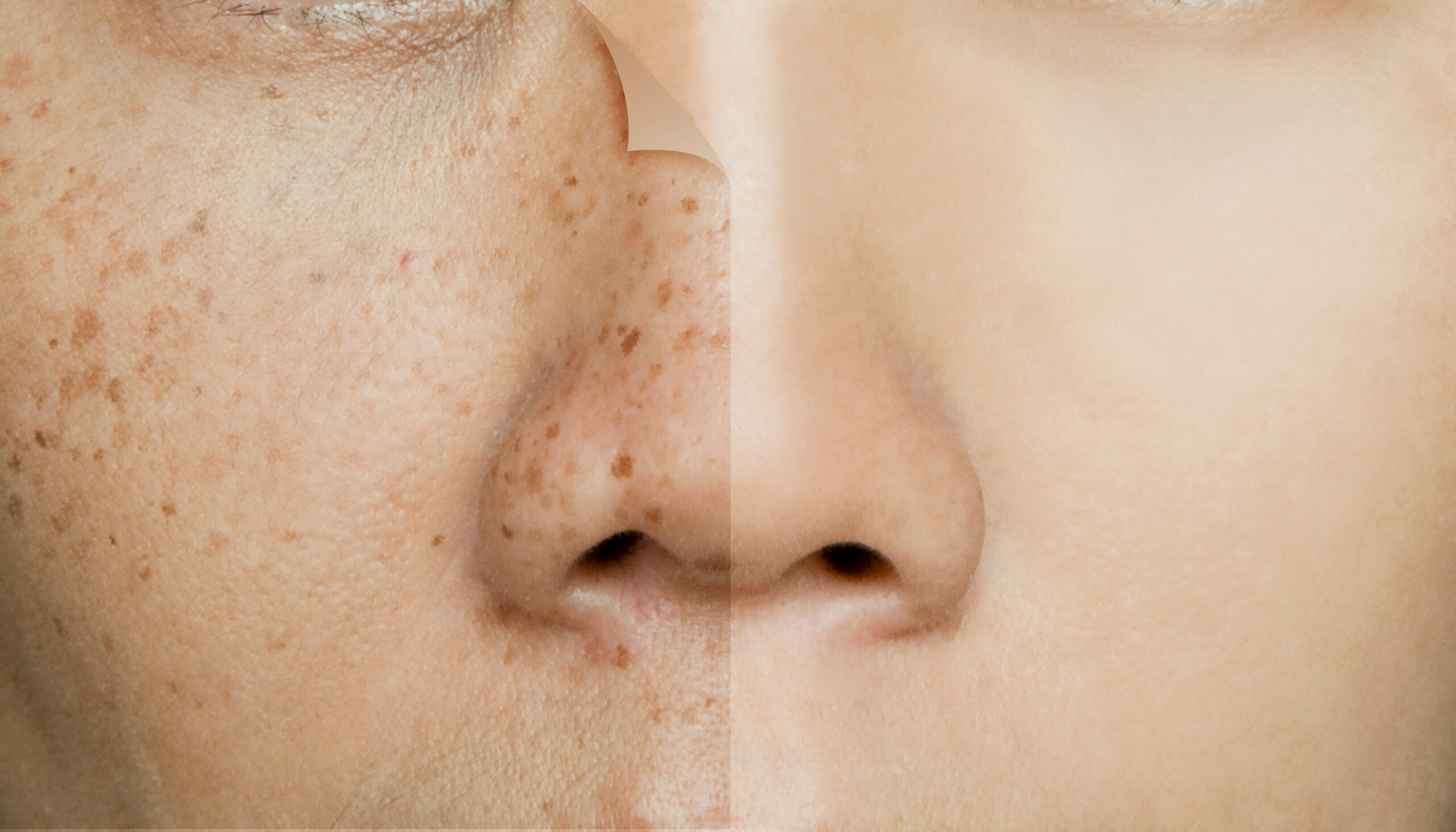
WORRIES — Recommended for those who
– Are concerned about age spots and freckles
– Are considering melasma care
– Want to address dullness and uneven tone
– Are bothered by acne scars or open pores
– Are considering removal of tattoos or cosmetic tattoos
– Want a treatment with reduced downtime
– Are sensitive to pain and hesitant about treatment
– Men concerned about pigmentation and dullness
FEATURE
Picosecond shock-wave approach
By delivering energy in picoseconds (one trillionth of a second), the laser aims to shatter melanin pigment using shock waves rather than thermal energy. The fragmented pigment is then taken up by macrophages and cleared via the lymphatic system.
Three modes for different concerns
The Pico laser offers three modes — Pico Toning, Pico Fractional, and Pico Spot — which can be selected to match different concerns and symptoms. We propose an approach tailored to the type, depth, and intensity of pigmentation.
Care for pain and downtime
Because the Pico laser is designed to limit thermal effects, the pain is often described as similar to “a light flick of a rubber band,” and downtime tends to be reduced. This makes the treatment easier to fit into daily life and to continue. For patients sensitive to pain, a topical anesthetic cream can be discussed.
Examination and treatment by a physician
At our clinic, an experienced physician examines the skin and performs the laser treatment. Some types of pigmentation are not suitable for laser, and when melasma is present, careful output adjustment is essential. After examination, we propose an appropriate treatment plan.
Wide range of indications
The treatment can be used for a wide range of skin concerns, including age spots, freckles, melasma, dullness, uneven tone, acne scars, open pores, and tattoo removal. Male patients are also welcome.
Three treatment modes
The Pico laser uses three modes that can be selected based on individual concerns. The most suitable mode or combination is proposed at examination.
Pico Toning
A low-power, shower-like delivery that gently and gradually addresses melanin. Because higher-power treatments can aggravate melasma, this mode is also a treatment option for melasma care, as well as for dullness and uneven tone.
Indications: Faint pigmentation, dullness, uneven tone, redness, freckles, melasma, post-inflammatory hyperpigmentation
Pico Fractional
A focused beam delivers fine micro-stimulation to the skin, working to engage the skin’s natural repair process. Because surface damage is limited, downtime and pain are kept minimal, and the mode aims to support collagen and elastin production.
Indications: Skin firmness, fine lines, open pores, acne scars (atrophic)
Pico Spot
High power is delivered in picoseconds, with shock waves targeting melanin pigment in a focused spot. This pinpoint approach is also used for dark age spots, tattoo removal, and cosmetic-tattoo removal. Immediately after treatment, the area typically appears whitish and forms a scab over several days, which gradually flakes off.
Indications: Dark age spots, freckles, dermal pigmented lesions (ADM, nevus of Ota), tattoo and cosmetic-tattoo removal
Indications
| Concern | Main mode | Approach |
|---|---|---|
| Age spots / freckles | Pico Spot / Pico Toning | Mode chosen based on intensity and size |
| Melasma | Pico Toning | Low-power, gradual approach |
| Dermal lesions (ADM, nevus of Ota) | Pico Spot | Wavelength selection across multiple sessions |
| Dullness / uneven tone | Pico Toning | Tone-balancing approach |
| Acne scars (atrophic) | Pico Fractional | Engages skin repair process |
| Open pores | Pico Fractional | Supports collagen production |
| Tattoos / cosmetic tattoos | Pico Spot | Fragmentation and metabolic clearance |
*What appears to be an age spot may in fact be ADM or nevus of Ota. Please do not self-diagnose; receive a physician’s examination.
Important notes (risks, side effects, downtime)
| Procedure time | Approximately 10–15 minutes (varies by mode and area) |
|---|---|
| Anesthesia | Cooling with ice packs is the standard. For patients sensitive to pain, a topical anesthetic cream (optional) can be discussed. |
| Downtime | Pico Toning: Redness for several hours to one day Pico Fractional: Redness and dryness for 1–3 days Pico Spot: Scabs flake off over about 10 days; full settling takes several weeks |
| Makeup | Pico Toning: same day. Pico Fractional and Pico Spot: the next day or later is recommended. |
| Bathing / exercise | Showering is permitted on the same day. Bathing, sauna, vigorous exercise, and alcohol should be avoided on the day of treatment. |
| Sun protection | Strict sun protection (SPF 50+ sunscreen is essential) is required for at least two weeks after treatment. Sun exposure increases the risk of pigmentation. |
| Main risks / side effects | Redness, swelling, stinging, scabbing, post-inflammatory hyperpigmentation (a brown re-darkening that peaks about a month after treatment and often improves over 3–6 months), blistering, scarring, melasma flare, hypopigmentation, and individual variation in results. Forcibly peeling scabs may cause pigmentation and scarring. Please leave them undisturbed until they fall off naturally. |
| Recommended interval | An interval of at least one month is recommended; multiple sessions are advised based on symptoms. Some pigmented lesions can be cleared in a single session, while others require multiple sessions. |
| Patients who cannot receive treatment | Pregnant or breastfeeding women; those with current sun-tanned skin; those with infection or eczema in the treatment area; photosensitivity disorders; current use of photosensitizing medications; keloid-prone skin; current anticoagulant use; epilepsy; cardiac disease; minors; or anyone the physician judges unsuitable. |
*The above is a typical course; pain, downtime, and effects vary by individual.
*Procedure time does not include consultation time.
*Please be sure to inform the physician of any medical history, current medications, or allergies during the consultation.
*If moles, wounds, or active acne are present, we may avoid those areas during treatment.
FLOW — Treatment process
We listen to your concerns and the physician evaluates your skin. The physician identifies the type of pigmentation (solar lentigo, seborrheic keratosis, melasma, ADM, etc.) and proposes the most appropriate mode and treatment plan. Allergies, medical history, and current medications are also reviewed at this stage.


Treatment is performed on bare skin, so please remove your makeup. The treatment area is cleansed and prepared before laser application.
The physician applies the Pico laser while monitoring the skin’s response, communicating with you throughout to support comfort. Although pain is generally limited by design, sensitivity may differ during Pico Spot or treatment of dark pigmentation.
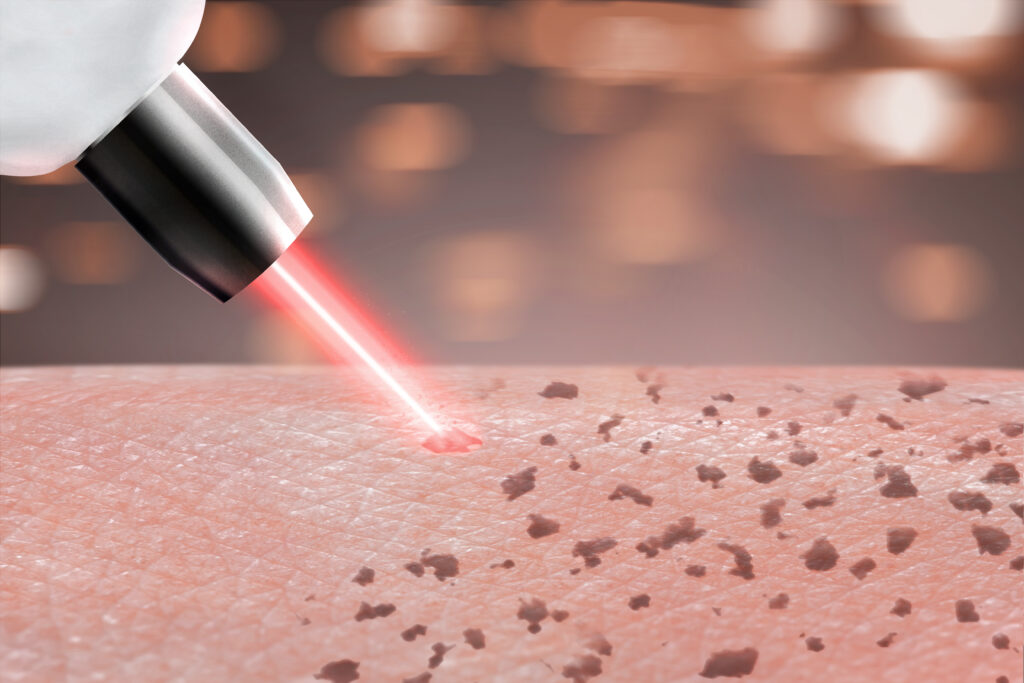

After laser treatment, cooling is applied to help control redness and warmth. We carefully explain sun protection, skincare instructions, and how to handle any scabbing.
Only with Pico Toning can makeup be applied on the same day. With Pico Spot, scabs take approximately 10 days to flake off naturally. A follow-up examination is offered 2 weeks after treatment to discuss timing for the next session. Feel free to contact us anytime if symptoms concern you. Subsequent sessions should be at least one month apart.
Physician’s comment
About the Pico laser
The most important factor in pigmentation treatment is “accurate diagnosis.” What is broadly called a “spot” can be solar lentigo, seborrheic keratosis, melasma, ADM (acquired dermal melanocytosis), nevus of Ota, and more — each requiring a different optimal approach.
The Pico laser is a shock-wave-based laser that, compared with conventional nanosecond lasers, is designed to limit thermal effects on surrounding tissue. A common challenge in pigmentation laser treatment is “post-inflammatory hyperpigmentation” — a brown re-darkening that typically peaks about a month after treatment as if the spot has “come back.” This usually improves over 3–6 months, but minimizing it is a key part of treatment. The Pico laser is one option that supports limiting this risk, and we have adopted it at our clinic.
The system used at our clinic is the “Pico Dream,” a Pico laser equipped with two wavelengths. It is used across a wide range of indications, including pigmentation, freckles, melasma, toning, and tattoo removal.
That said, when melasma is present, the risk of pigmentation increases, so careful examination for the presence of melasma is essential. Photofacials are an option for fading darker spots, but for fine, faint pigmentation, the Pico laser may be more suitable. We propose the most appropriate plan based on your skin type, the type of pigmentation, and your goals.
Please note that Pico Dream is a medical device not approved in Japan. We ask that you carefully consider the risks and benefits before proceeding. If you have any concerns, please feel free to come in for a consultation.
Together Menu — Recommended combinations
Pigmentation and dullness care can be combined with internal approaches and other skin-quality treatments for a more comprehensive skincare plan.


Q&A (FAQ)
- How many sessions are needed to see results?
-
This varies with the type, intensity, and size of pigmentation, but as a guide: dark age spots may require 1 to several Pico Spot sessions, while lighter pigmentation, dullness, and melasma typically benefit from around 5–10 Pico Toning sessions. Sessions are spaced at least one month apart, with the plan adjusted based on your skin’s response. Results vary by individual.
- How painful is it?
-
Patients often describe it as similar to “a light flick of a rubber band,” and ice-pack cooling is sufficient for most. Sensation may differ during Pico Spot or treatment of dark pigmentation. For those sensitive to pain, a topical anesthetic cream (optional) can be discussed.
- I’m worried whether my pigmentation will really clear up.
-
For pigmentation treatment, “accurate diagnosis” and “appropriate output selection” are key. At our clinic, an experienced physician examines the skin and performs the laser, identifying the type of pigmentation (solar lentigo, seborrheic keratosis, melasma, ADM, etc.). Some types are not suitable for laser, in which case we will recommend an alternative.
- Can I receive the Pico laser if I have melasma?
-
If melasma is present, high-power laser carries a risk of worsening it, so Pico Toning (low-power mode) is recommended. After examination, we propose the appropriate mode and output. Combining with oral medication such as tranexamic acid for inner care is also recommended.
- What if post-inflammatory hyperpigmentation appears?
-
“Post-inflammatory hyperpigmentation,” in which the spot appears to have come back, can develop and typically peaks about a month after treatment. In most cases, it improves naturally over 3–6 months, but strict sun protection and oral medications such as tranexamic acid may help support recovery. Please consult us if you are concerned.
- How long is the downtime?
-
It depends on the mode. Pico Toning: redness for several hours to one day. Pico Fractional: redness and dryness for 1–3 days. Pico Spot: scabs persist for about 10 days. Makeup is permitted on the same day for Pico Toning only; the next day or later is recommended for the others.
- Can I combine this with other treatments?
-
Combinations such as oral beauty medication (Transamin®, etc.), continued Pico Toning, water-light injection, and Dermapen can all be proposed depending on your concerns. Pigmentation and dullness care often shows clearer results when addressed both internally and externally.
- Can men receive this treatment?
-
We welcome male patients. The Pico laser can also be used for men’s pigmentation, freckles, and dullness. Many male patients come in for concerns such as age-related pigmentation and creating a cleaner, fresher impression.
- Can I receive treatment on tanned skin?
-
For strongly tanned skin, the risk of burns and pigmentation is higher, and we may decline treatment. Please wait until the tan has faded. Strict UV protection (SPF 50+ sunscreen is essential) is also requested throughout the treatment course.
- Can I receive treatment while pregnant or breastfeeding?
-
Because safety has not been established, we ask pregnant or breastfeeding patients to refrain from treatment. Please consult us about timing for resuming treatment after delivery and weaning.
Why patients choose us

It’s hard to know where to go for pigmentation treatment…

For pigmentation treatment, “accurately identifying the type” and “tailoring the output to the skin” greatly influence the result. At our clinic, an experienced physician examines the skin and performs the laser, proposing the best mode for the type of pigmentation and your skin condition. We can also discuss combinations with Pico Toning, oral beauty medication for inner care, and water-light injection or Dermapen for comprehensive skincare. If you are concerned about pigmentation or worried about coexisting melasma, please feel free to come in for a consultation.
Self-pay treatment / equipment disclosure (details)
– About self-pay treatment
This treatment is not covered by Japanese national health insurance. All listed prices are tax-included. For pricing details, please refer to the “Pricing” page.
– About the equipment used
Our clinic uses the Pico laser system “Pico Dream.” It is a picosecond laser with two wavelengths and is used for pigmentation, freckles, melasma, toning, and tattoo removal.
– Approval status in Japan and overseas use
Pico Dream is a medical device not approved in Japan. It is obtained via personal-import by the physician. Comparable Japanese-approved devices include PicoSure® (Cynosure), PicoWay® (Candela), and Enlighten SR®, all approved by the Ministry of Health, Labour and Welfare. Pico Dream is approved by the Korean Ministry of Food and Drug Safety (MFDS) but does not have US FDA or European CE approval. We are not aware of any reports of serious adverse events overseas at this time.
When non-approved medical devices are used, treatment falls outside the coverage of Japan’s Pharmaceutical Side Effects Relief System.
– Main risks / side effects
Redness, swelling, stinging, scabbing, post-inflammatory hyperpigmentation, blistering, scarring, melasma flare, hypopigmentation, and individual variation in results. If you experience symptoms suggesting a serious adverse event (signs of severe infection, persistent intense pain, widespread blistering, etc.), contact our clinic or a medical facility immediately.
– Patients who cannot receive treatment
Pregnant or breastfeeding women; those with current sun-tanned skin; those with infection or eczema in the treatment area; photosensitivity disorders; current use of photosensitizing medications; keloid-prone skin; current anticoagulant use; epilepsy; cardiac disease; minors; or anyone the physician judges unsuitable.
Pico Laser Pigmentation Removal / Pico Toning for Skin Brightening
PRICE
*Prices are subject to change without notice.
Set pricing available upon request.
| Treatment | Sessions | Price |
|---|---|---|
| Pigmentation spot | 1 session 1cm × 1cm | Regular price JPY 30,000 Campaign price: JPY 16,000 |
| Both cheeks – unlimited spots | 1 session | Regular price JPY 88,000 Campaign price: JPY 60,000 |
| Full face – unlimited spots | 1 session | Regular price JPY 130,000 Campaign price: JPY 80,000 |
| Both hands – unlimited spots | 1 session | Regular price JPY 77,000 Campaign price: JPY 50,000 |
| Pico Toning – face | First session | JPY 20,000 |
| Pico Toning – face [5-session course] | 5 sessions | JPY 90,000 (JPY 18,000/session) |
| Pico Toning – face [10-session course] | 10 sessions | JPY 160,000 (JPY 16,000/session) |
| Cosmetic tattoo removal – eyebrow | 1 session | Regular price JPY 24,000 Campaign price: JPY 20,000 |
| Cosmetic tattoo removal – both eyebrows | 1 session | Regular price JPY 28,000 Campaign price: JPY 25,000 |
*All prices include tax
Our Doctors
Supervising Physician / Aesthetic Surgeon
Yuki Takamido, MD
Specialties
Aesthetic surgery / Oculoplastic surgery
Career
2014: Graduated from Mie University School of Medicine
2015: Meitetsu Hospital
2017: Fujita Health University Hospital — Assistant Professor
2020: Founded Flamingo Aesthetic Clinic
2021: Branch director, Shiromoto Clinic Aesthetic Surgery
2021: Co-founded Viviage Clinic (Kokoukai Medical Corporation)
2022: Ace Clinic (Ichibikai Medical Corporation)
2023: Director, Sakae Aesthetic Clinic — Sakae branch
Currently: VIVIAGE ZONNE CLINIC (Kokoukai Medical Corporation)
Areas of expertise
Hyaluronic acid filler, thread lift
Eyelid surgery (lower-eyelid fat removal for dark circles, transcutaneous & transconjunctival Hamra technique, midface lift, double-eyelid surgery, blepharoptosis surgery)
Aesthetic dermatology procedures
Society memberships
Japanese Society of Oculoplastic and Reconstructive Surgery
Japan Society of Aesthetic Plastic Surgery
Japanese Society of Aesthetic Dermatology
Japanese Society of Anti-Aging Medicine
Days available
Wednesday, Friday (10:00–17:30)
Occasional Saturdays (dates vary; please confirm by phone or LINE)

Director
Minoru Horisawa, MD
Book a Consultation / Contact Us
If you have any concerns, please feel free to reach out.
Our consultation, including the doctor’s examination, is available free of charge.
Hours: Mon, Tue, Wed, Fri, Sat 10:00–17:30 (Closed Thu, Sun)
T.O Building 4F, 3-33-30 Sakae, Naka-ku, Nagoya — about a 4-minute walk from Yabacho Station