Targeting fat in concerned areas
Liposuction with the syringe technique
What is liposuction (syringe aspiration method)?
Liposuction is a surgical procedure that aims to physically reduce localized subcutaneous fat that is difficult to lose through diet alone. At our clinic, we use the syringe-based manual aspiration method, in which saline containing diluted anesthetic, vasoconstrictor, and electrolytes is first infiltrated into the fat layer, after which fat is aspirated through a fine cannula.
The infiltration solution contains diluted anesthetic, vasoconstrictor, and electrolytes, which helps reduce the risk of pain and bleeding while preparing the fat for easier aspiration. Compared with machine-based aspiration, syringe aspiration is said to allow more delicate control of suction force, making it a treatment option that may support a refined contouring outcome.
*Liposuction is a surgical procedure with reported risks of serious complications. Please review the “Self-pay treatment / risk disclosure” section at the bottom of this page for details.
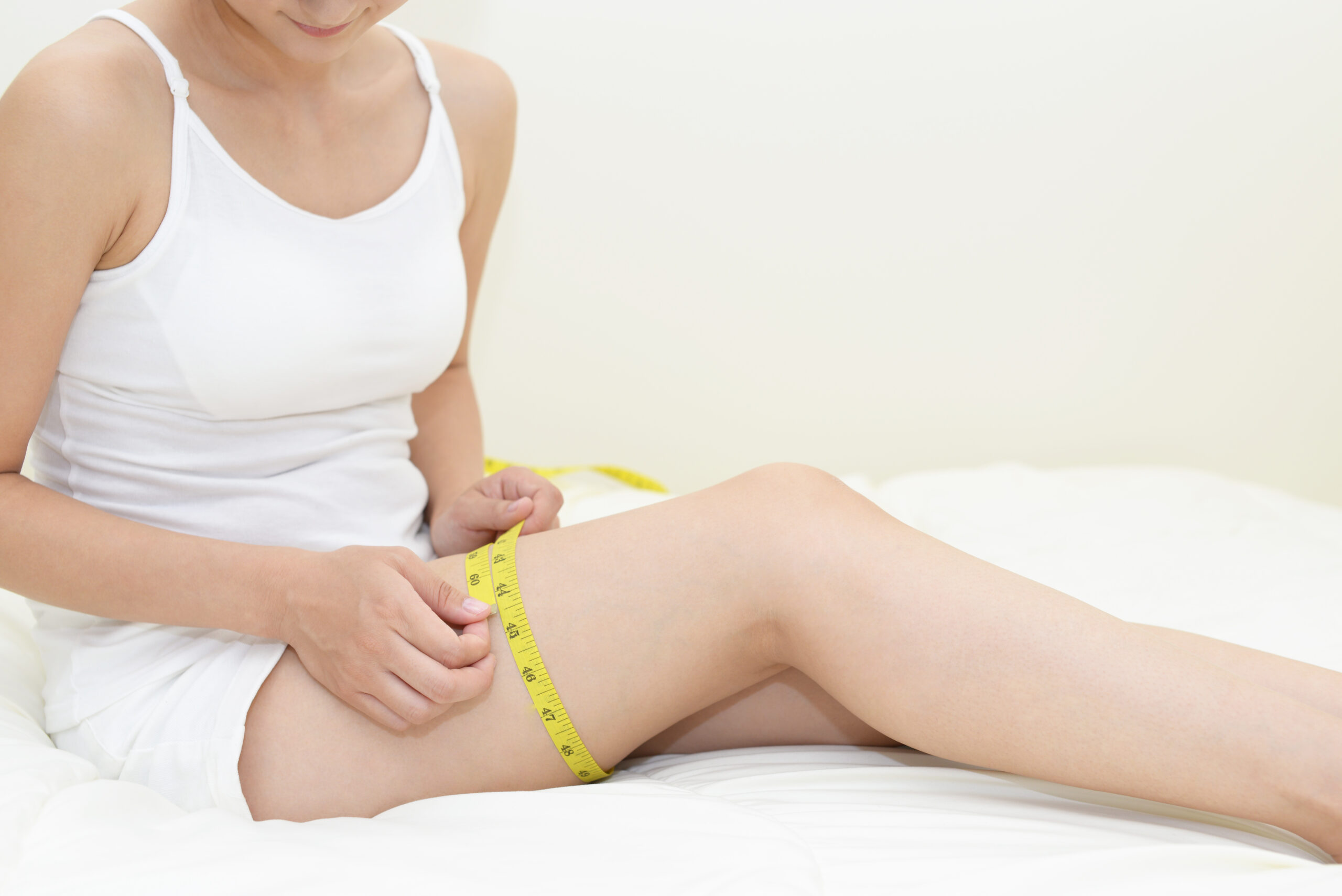
WORRIES — Recommended for those who
– Are considering localized slimming in areas resistant to diet
– Want to refine the chin and jawline
– Are concerned about the contour of the upper arms, flanks, abdomen, or thighs
– Want to shape the waistline and side profile
– Find fat-dissolving injections insufficient
– Are looking for a single-session reduction approach
– Combine exercise and dietary control
– Men interested in metabolic body shape management
FEATURE
Reduces fat cells themselves
Liposuction physically removes subcutaneous fat cells themselves. Because the number of fat cells in the treated area decreases, that area is said to be less prone to weight gain afterward (though it does not become entirely resistant to weight gain). Unlike weight loss through dieting, this offers a different approach aimed at localized contour adjustment.
Care through infiltration of the fat layer
This technique infiltrates the fat layer with saline containing diluted anesthetic, vasoconstrictor, and electrolytes before aspiration. The infiltration causes the fat to swell, making it easier to aspirate while supporting reduced risk of pain, bleeding, and bruising. This is a widely adopted standard technique in liposuction.
Delicate adjustment via syringe aspiration
Rather than machine-based suction, our clinic uses manual aspiration with a syringe. Because the physician directly controls the suction pressure while removing fat in fine increments, this approach can support refined contour design and detailed adjustment. It is also considered well suited for delicate areas such as the face and upper arms.
Wide range of treatment areas
We treat a wide range of areas resistant to dieting, including the chin, jawline, upper arms, abdomen (upper and lower), flanks, thighs (front, inner, outer), buttocks, and back. Same-day treatment of multiple areas can also be discussed.
Performed by an experienced physician
Liposuction is a surgical procedure in which anatomical knowledge, technique, and post-operative care all significantly influence outcomes and safety. At our clinic, an experienced physician handles the entire process from consultation, examination, and surgery through post-operative follow-up. Treatment proceeds only after the patient has fully understood the risks and given informed consent.
Treatment areas
| Area | Main targets | Approximate procedure time |
|---|---|---|
| Submental (under the chin) | Double chin, jawline laxity | 30–60 minutes |
| Cheeks / jawline | Round face impression, sagging | 60–90 minutes |
| Upper arms | “Bat-wing” arms, side bulk | 60–90 minutes |
| Abdomen (upper / lower) | Belly bulge, waistline | 90–180 minutes |
| Flanks (waist) | “Love handles,” side fat | 90–180 minutes |
| Thighs (front, inner, outer) | Saddlebags, inner thighs | 120–180 minutes |
| Buttocks / under-buttock | Buttock-thigh junction | 60–120 minutes |
| Back | Bra-line bulk, sub-scapular fat | 90–120 minutes |
*Procedure time varies with the size of the area and amount of fat. If you wish to treat multiple areas in one session, please discuss this during consultation.
*Eligibility is determined based on weight, BMI, and medical history. Patients with severe obesity may not be candidates for treatment.
Important notes (risks, side effects, downtime)
| Anesthesia | Local anesthesia (infiltration of the fat layer) is the standard. For wide-area or multi-area cases, intravenous sedation may also be used. Patients with significant anxiety should consult us in advance. |
|---|---|
| Scarring | One to several small incisions of about 3–5 mm are made for cannula insertion. Scars become less noticeable over time but do not disappear completely. |
| Downtime | Swelling / edema: approximately 1–4 weeks (peak in the first week) Bruising: approximately 2–3 weeks Pain / tightness: approximately 1–2 weeks Hardness / contraction: approximately 1–3 months (the most noticeable phase post-op) Final result: 3–6 months after surgery |
| Compression garment | To control swelling and surface irregularities, a compression garment (girdle, sleeve, etc.) must be worn for 1–4 weeks after surgery. |
| Bathing / exercise | Showering is permitted from the day after surgery; bathing is permitted after suture removal. Vigorous exercise should be avoided for approximately 2–4 weeks. Desk work can be resumed within a few days. |
| Main risks / side effects | Pain, swelling, bruising, numbness, skin laxity, asymmetry, surface irregularities, hyperpigmentation, infection, anemia, lumps, scarring, individual variation in results. Serious risks: fat embolism, deep vein thrombosis, pulmonary embolism, skin necrosis, nerve injury, internal organ injury, major bleeding, anesthetic complications, etc. The incidence is reported to be low but is not zero. If you experience severe pain, breathing difficulty, chest pain, leg swelling, or fever after surgery, contact our clinic or emergency medical services immediately. |
| Suture removal | Sutures are removed 5–7 days after surgery. |
| Recommended interval | Repeat treatment of the same area should generally be considered no earlier than 6 months, after the final result is established. |
| Patients who cannot receive treatment | Pregnant or breastfeeding women; those with cardiac or respiratory disease; poorly controlled diabetes; bleeding tendency; current anticoagulant use; keloid-prone skin; active infection; autoimmune disease; severe obesity; minors; those with anesthetic allergy; skin disease in the treatment area; or anyone the physician judges unsuitable. |
*The above is a typical course; pain, downtime, and effects vary by individual.
*Pre-operative testing (blood test, ECG, etc.) will be performed. Please be sure to inform the physician of any medical history, current medications, or allergies during the consultation.
*If you experience post-operative changes such as severe pain, breathing difficulty, or leg swelling, contact our clinic immediately.
*Liposuction is not a substitute for dieting. It should be considered as part of healthy weight management.
FLOW — Treatment process
The physician listens to your concerns, target areas, and goals, then evaluates the volume of fat and condition of the subcutaneous tissue before proposing a treatment plan. Risks, downtime, and the post-operative course are explained in detail, and treatment proceeds only after you have given informed consent.


Pre-operative testing such as a blood test and ECG is performed. On the day of surgery, the treatment area is marked while you stand, and asymmetry and shape are confirmed.
After local anesthesia is administered, saline containing diluted anesthetic, vasoconstrictor, and electrolytes is infiltrated into the fat layer to swell the fat. For wide or multi-area cases, intravenous sedation may also be used.
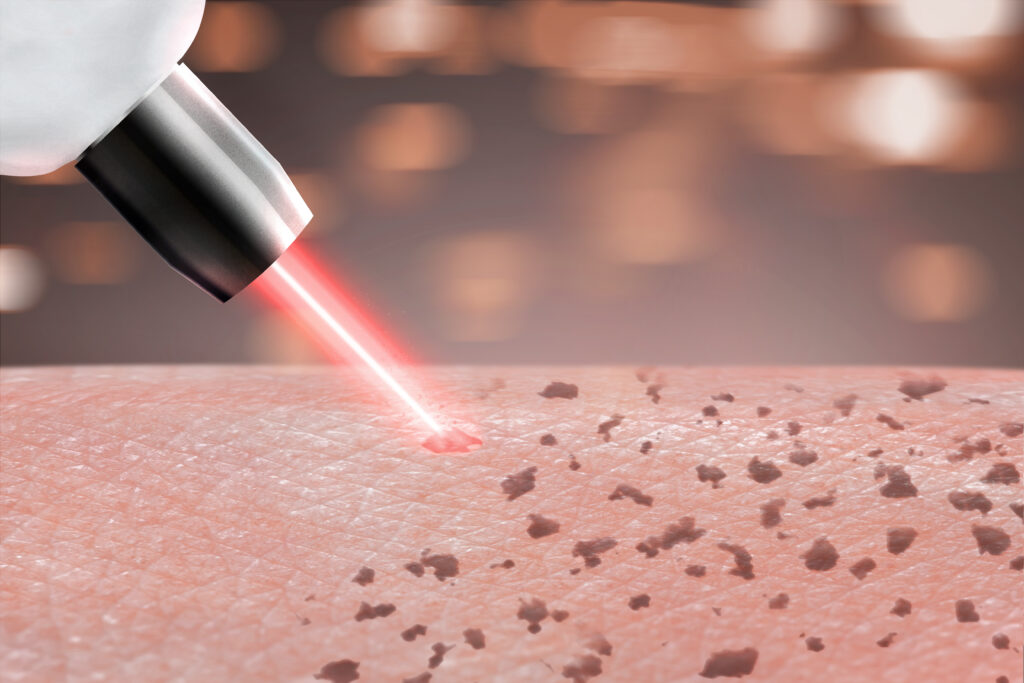

A cannula is inserted through a 3–5 mm incision, and fat is manually aspirated using a syringe. The physician directly controls the suction pressure, carefully attending to symmetry and surface evenness while delicately shaping the contour.
The incisions are carefully sutured, and a compression garment (girdle, sleeve, etc.) is applied. Continued compression is important for preventing swelling and surface irregularities, so please follow the physician’s instructions for ongoing wear.
After returning home on the day of surgery, please rest. Sutures are removed 5–7 days post-op, and follow-up visits are scheduled at 1, 3, and 6 months. If concerning symptoms (severe pain, breathing difficulty, fever, etc.) develop, contact our clinic immediately.
Physician’s comment
About liposuction
Liposuction is a surgical procedure that aims to physically reduce localized subcutaneous fat resistant to dieting. Given the physiological reality that diet alone cannot target a specific area, liposuction is a treatment option for contour adjustment.
At our clinic, we use the standard technique of infiltrating the fat layer with saline containing diluted anesthetic, vasoconstrictor, and electrolytes prior to aspiration. This infiltration is considered to support care of pain, bleeding, and bruising risks. Furthermore, by using manual syringe aspiration rather than machine-based suction, the physician can directly control suction pressure, supporting an approach aimed at refined contour design.
What we value most is bridging the gap between patients’ expectations and reality through clear explanation. Liposuction is not “magical slimming.” It is surgery that removes subcutaneous fat — visceral fat is not addressed. In addition, contraction and swelling settle over 3–6 months post-operatively, so the final result takes time. Continued use of compression garments and maintenance of moderate exercise and a balanced diet also strongly influence outcomes.
As this is a surgical procedure, understanding the risks is essential. Serious complications such as fat embolism, deep vein thrombosis, pulmonary embolism, and skin necrosis occur infrequently but are not zero. We carefully manage pre-operative testing, intraoperative monitoring, and post-operative follow-up.
Please feel free to share any concerns or questions during your consultation. We will speak honestly, including about whether the treatment is something you should — or perhaps should not — pursue.
Together Menu — Recommended combinations
Liposuction can be combined with body-contouring and weight-management menus for a more comprehensive approach. You may also consider “fat grafting” — transplanting the aspirated fat to other parts of your own body.


Q&A (FAQ)
- How many kilograms can I lose with liposuction?
-
Liposuction is not a procedure for reducing body weight; it is intended to reshape localized contours. The amount of fat that can actually be removed varies by area and body type, but as a rough guide, around 1–3 kg from the abdomen and 1–2 kg from the thighs. Many patients notice changes in size and contour rather than in weight.
- Will I look slimmer immediately after surgery?
-
Immediately after surgery, swelling and edema can make the area appear larger than expected. Major swelling subsides over about a month, and contraction (sub-dermal hardness) settles over 3–6 months toward the final result. Please consider treatment with the understanding that the final outcome takes time.
- How much time off do I need after surgery?
-
This depends on the area and extent, but desk work can typically be resumed 2–3 days after surgery. We recommend at least one week off for jobs requiring standing or physical labor. Avoid vigorous exercise for 2–4 weeks. For important upcoming events, please book at least 1–2 months in advance.
- Will weight rebound after liposuction?
-
Because the number of fat cells in the treated area decreases, that area is said to be less prone to weight gain, but it is not entirely resistant. Remaining fat cells can still enlarge, and fat can accumulate in untreated areas. Continuing healthy eating and exercise is important to maintain results.
- Will the scars be visible?
-
One to several incisions of about 3–5 mm are made in each area to insert the cannula. We aim to place these in inconspicuous locations (waist, joint folds, areas covered by clothing). Scars become less visible over time but do not disappear completely. Please let us know in advance if you have keloid-prone skin.
- Can surface irregularities occur?
-
Surface irregularities and asymmetry are among the more common side effects of liposuction. Manual syringe aspiration and adherence to post-operative compression help prevent them, but they cannot be eliminated entirely. If noticeable irregularities remain, revision can be discussed from 6 months after the initial surgery.
- Is general anesthesia used?
-
Our standard is local anesthesia (infiltration of the fat layer), with intravenous sedation added as needed. We do not perform general anesthesia. If you wish to treat a wide area or multiple areas, please discuss the feasible scope at consultation.
- Can the aspirated fat be transferred to other areas?
-
Yes — the aspirated fat can be grafted to your own face or breasts. We also offer fat grafting using centrifuge-processed fat, and same-day combined treatment can be discussed. For details, please see our fat grafting page.
- Can men receive this treatment?
-
We welcome male patients. Men more commonly have visceral-type fat distribution, and those with little subcutaneous fat may not be candidates. However, men with subcutaneous fat in the abdomen, flanks, chest, or under the chin are welcome to consult us. Men interested in addressing a “metabolic body shape” or reducing chin/jowl bulk are also welcome.
- Up to what BMI can I be treated?
-
There is no fixed cutoff, but for safety reasons, those with severe obesity (BMI 30 or higher) may not be candidates. Because liposuction is not a substitute for dieting, it is recommended that patients first manage overall weight before considering localized contouring. For patients with BMI 25–30, eligibility is determined at consultation.
- Will my skin sag afterward?
-
Depending on skin elasticity, age, and aspirated volume, some skin laxity can remain. This is more likely in older patients or with large-volume aspiration. If sagging is a concern, treatments such as combination thread lift or skin-tightening procedures like HIFU may be considered.
- Can I receive this treatment while pregnant or breastfeeding?
-
We do not perform this treatment for pregnant or breastfeeding patients. Please consider treatment after delivery and weaning, once the menstrual cycle has stabilized.
Why patients choose us

Liposuction sounds intimidating. Is it really safe?

Liposuction is a surgical procedure and is by no means a casual treatment. That is precisely why we explain the risks with the same care we apply to the benefits, and why we proceed only when the patient has fully understood and consented. We use infiltration of the fat layer combined with manual syringe aspiration, in which the physician directly controls suction pressure to support refined contouring. We oversee the entire process — pre-operative testing, intraoperative care, and post-operative follow-up (suture removal at 5–7 days, and follow-up at 1, 3, and 6 months). We will speak honestly about whether you should — or perhaps should not — proceed. Please feel free to come in for a consultation.
Self-pay treatment / risk disclosure (details)
– About self-pay treatment
This treatment is not covered by Japanese national health insurance. All listed prices are tax-included. For pricing details, please refer to the “Pricing” page.
– About equipment and technique
Our clinic uses manual aspiration with a syringe and infiltration of the fat layer with saline containing diluted anesthetic, vasoconstrictor, and electrolytes. This technique is widely adopted as a standard method in liposuction. The syringes, cannulas, and medications used are all approved and distributed in Japan.
– Main risks / side effects
Pain, swelling, bruising, numbness, skin laxity, asymmetry, surface irregularities, hyperpigmentation, infection, anemia, lumps, scarring, skin necrosis, and individual variation in results.
Serious risks: fat embolism, deep vein thrombosis, pulmonary embolism, skin necrosis, nerve injury, internal organ injury, major bleeding, anesthetic complications, sepsis, etc. The incidence is reported to be low but is not zero. If you experience symptoms suggesting a serious adverse event (severe pain, breathing difficulty, chest pain, leg swelling, fever, altered consciousness, etc.), contact our clinic or emergency medical services immediately.
– Patients who cannot receive treatment
Pregnant or breastfeeding women; those with cardiac or respiratory disease; poorly controlled diabetes; bleeding tendency; current anticoagulant use; keloid-prone skin; active infection; autoimmune disease; severe obesity (BMI 30 or higher); minors; those with anesthetic allergy; skin disease in the treatment area; or anyone the physician judges unsuitable.
– Important notice
Liposuction is not a substitute for dieting. Please consider it as part of healthy weight management. The final result requires 3–6 months of follow-up; this is not an immediate-result procedure.
*All treatments are self-pay (not covered by Japanese national health insurance). *All listed prices are tax-included.
Liposuction Pricing
A treatment using manual syringe-based aspiration, designed to deliver a tailored, sculpted finish. All prices include tax.
Face & Neck
| Area | Price |
|---|---|
| Submental (under chin) | JPY 300,000 |
| Cheek / jawline | JPY 350,000 |
| Submental + cheek set | JPY 550,000 |
Upper Body
| Area | Price |
|---|---|
| Upper arms (full circumference) | JPY 400,000 |
| Upper back | JPY 350,000 |
| Lower back | JPY 350,000 |
| Full back | JPY 600,000 |
Abdominal Area
| Area | Price |
|---|---|
| Upper abdomen | JPY 450,000 |
| Lower abdomen | JPY 450,000 |
| Full abdomen (upper + lower) | JPY 800,000 |
| Waist (both flanks) | JPY 450,000 |
Lower Body
| Area | Price |
|---|---|
| Inner thighs | JPY 350,000 |
| Front thighs | JPY 400,000 |
| Outer thighs (saddle bags) | JPY 450,000 |
| Full thighs (full circumference) | JPY 1,000,000 |
| Hips / under-buttocks | JPY 450,000 |
Set Plans
| Plan | Price |
|---|---|
| Abdomen + waist set | JPY 1,100,000 |
| Full thighs + hips | JPY 1,300,000 |
| Body 5-area selection (excluding face) | JPY 2,000,000 |
Options & Inclusions
| IV sedation (for large areas / multiple sites) | +JPY 50,000 |
|---|---|
| Compression garments (girdle, sleeve, etc.) | Included |
| Suture removal (5-7 days post-op) | Included |
| Post-op follow-up (1, 3, and 6 months) | Included |
| Pre-operative testing (blood test, ECG, etc.) | Included |
*All prices include tax.
*All treatments are self-pay (not covered by Japanese national health insurance).
*Eligibility for treatment is determined by the physician based on body weight, BMI, and medical history. Patients with severe obesity (BMI 30 or higher) may not be eligible.
*Prices are subject to change without notice.
Our Doctors
Supervising Physician / Aesthetic Surgeon
Yuki Takamido, MD
Specialties
Aesthetic surgery / Oculoplastic surgery
Career
2014: Graduated from Mie University School of Medicine
2015: Meitetsu Hospital
2017: Fujita Health University Hospital — Assistant Professor
2020: Founded Flamingo Aesthetic Clinic
2021: Branch director, Shiromoto Clinic Aesthetic Surgery
2021: Co-founded Viviage Clinic (Kokoukai Medical Corporation)
2022: Ace Clinic (Ichibikai Medical Corporation)
2023: Director, Sakae Aesthetic Clinic — Sakae branch
Currently: VIVIAGE ZONNE CLINIC (Kokoukai Medical Corporation)
Areas of expertise
Hyaluronic acid filler, thread lift
Eyelid surgery (lower-eyelid fat removal for dark circles, transcutaneous & transconjunctival Hamra technique, midface lift, double-eyelid surgery, blepharoptosis surgery)
Aesthetic dermatology procedures
Society memberships
Japanese Society of Oculoplastic and Reconstructive Surgery
Japan Society of Aesthetic Plastic Surgery
Japanese Society of Aesthetic Dermatology
Japanese Society of Anti-Aging Medicine
Days available
Wednesday, Friday (10:00–17:30)
Occasional Saturdays (dates vary; please confirm by phone or LINE)

Director
Minoru Horisawa, MD
Book a Consultation / Contact Us
If you have any concerns, please feel free to reach out.
Our consultation, including the doctor’s examination, is available free of charge.
Hours: Mon, Tue, Wed, Fri, Sat 10:00–17:30 (Closed Thu, Sun)
T.O Building 4F, 3-33-30 Sakae, Naka-ku, Nagoya — about a 4-minute walk from Yabacho Station