Natural volume from your own fat
Centrifuged fat grafting
What is fat grafting?
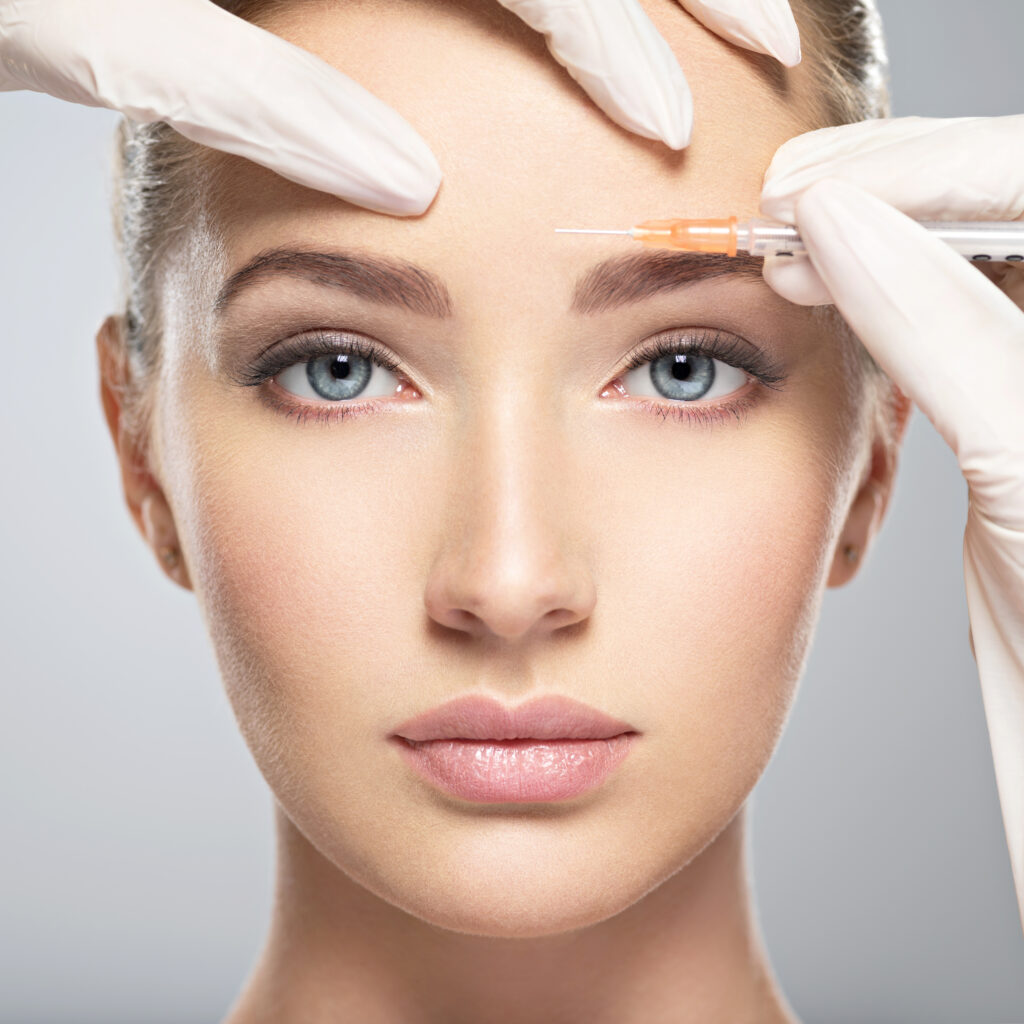
Fat grafting is an autologous tissue transplant in which fat harvested from your own thigh, abdomen, or other donor sites is processed and transferred to the face or breasts. At our clinic, the harvested fat is processed by centrifugation to remove impurities (blood, fluid, damaged fat cells) and prepared for improved graft survival before injection.
By using your own tissue rather than foreign materials (hyaluronic acid, synthetic implants, etc.), this option may help create natural-looking volume. Engrafted fat is reported to remain long-term, so longer-lasting results may be expected; however, graft-take varies between individuals, and multiple sessions are sometimes needed for adjustment.
*Fat grafting is a surgical procedure, and serious complications have been reported. For details, please refer to the “Self-pay treatment / risk information” section at the bottom of this page.
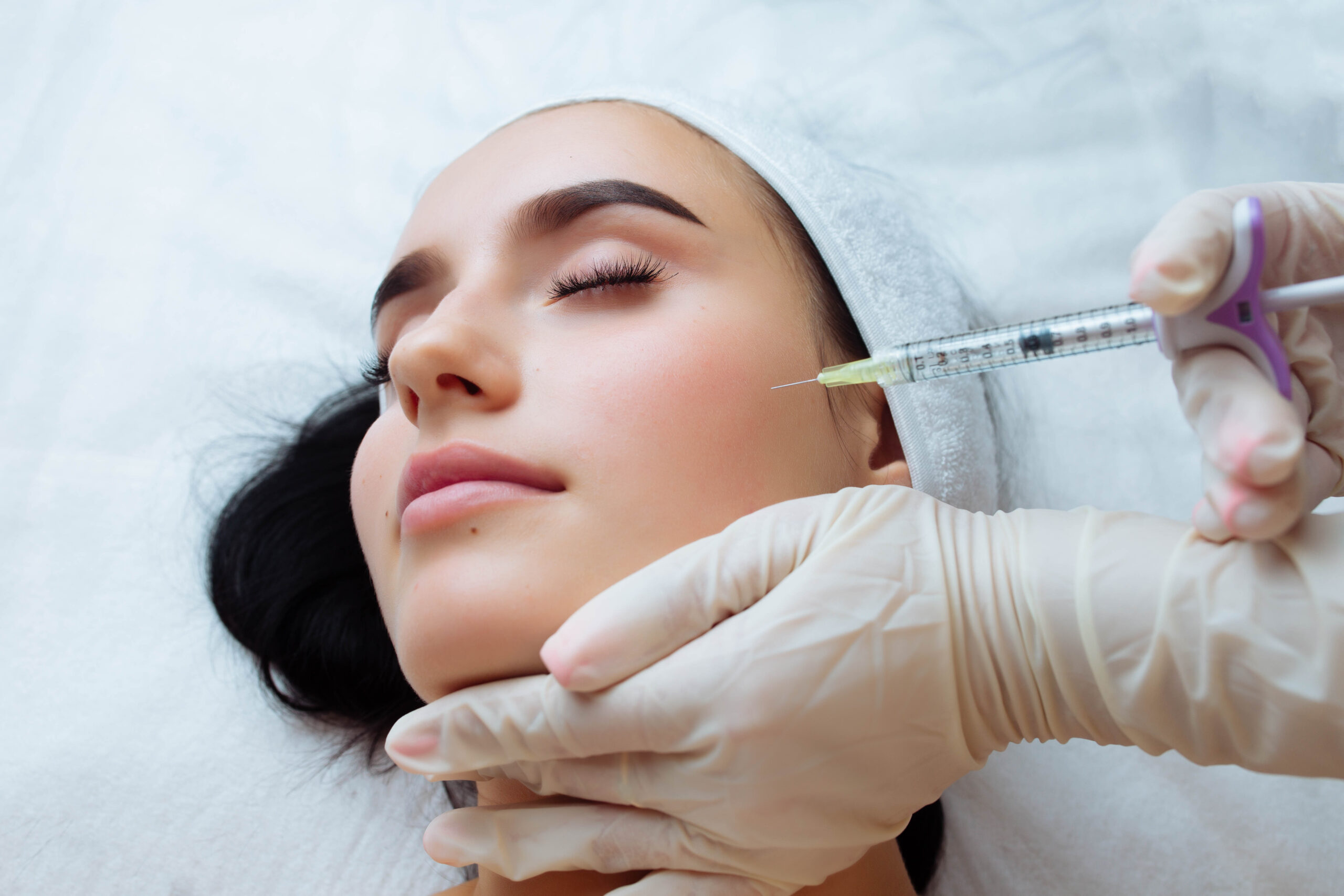
WORRIES Recommended for
・Those concerned about loss of facial volume
・Those concerned about hollows in the temples, cheeks, or under-eye area
・Those concerned about midface lines or nasolabial folds
・Those who would like to refine the shape of the forehead or chin
・Those who prefer natural change with their own tissue rather than hyaluronic acid
・Those seeking natural breast augmentation
・Those hesitant about synthetic implants
・Those who would also like to reduce fat in other areas at the same time
FEATURE
Natural feel from your own tissue
Fat grafting is an autologous tissue transplant that uses your own fat cells. As your own material, the theoretical risk of foreign-body reactions or allergic responses is low, and a natural texture and feel different from hyaluronic acid or synthetic implants may be expected. Once engrafted, the fat integrates as your own tissue, so longer-lasting results are possible.
Centrifuge-processed fat
Rather than injecting harvested fat as-is, we apply centrifugation. This removes impurities such as blood, fluid, and damaged fat cells, and selects fat cells in a state more conducive to engraftment. With this approach, we aim to support graft survival while reducing the risk of post-injection lumps and calcification.
Combined with body contouring on the same day
Body contouring at the donor site (thighs, abdomen, hips, etc.) and volume enhancement at the recipient site (face, breasts) can be performed on the same day. The “reduce fat where you want less, transfer it where you want more” approach is possible, which may be considered by those planning total body contouring.
Long-lasting results
Of the injected fat, the portion that engrafts becomes part of your own tissue, so long-lasting results may be expected. Graft survival is generally reported at around 40–70%, although changes may occur with aging or weight fluctuations. Non-engrafted fat is absorbed over 2–6 months.
Performed by an experienced physician
Fat grafting requires technique at every stage—harvesting, processing, and injection. At our clinic, an experienced physician handles the entire process consistently, from consultation and medical examination through injection and post-procedure follow-up. Especially for facial injection, an understanding of vascular anatomy is critical, and the needle position is carefully verified throughout the procedure.
Treatable areas
Facial fat grafting
For age-related volume loss, hollowing, and a sagging appearance, this option uses your own fat to add natural volume. Compared with hyaluronic acid filler, fat grafting tends to last longer and integrates as your own tissue.
| Area | Main targets |
|---|---|
| Temples | Temple hollows / bony appearance |
| Cheeks / cheekbone area | Hollowed look / depressions around the cheekbones |
| Under eyes | Tear-trough hollows / dark-circle appearance (suitability depends on the type of dark circles) |
| Midface lines | Furrows running across the central cheek |
| Nasolabial folds | Furrows from the nose to the mouth |
| Forehead | Forehead hollows / bony appearance |
| Chin | Chin shape adjustment |
*The forehead, glabella, and area around the nose are reported to carry a higher risk of vascular embolism. At our clinic, we carefully assess whether the procedure is suitable.
Breast fat grafting (autologous fat breast augmentation)
This is an option for those seeking breast augmentation with a natural feel using their own fat, without synthetic implants such as silicone bags. Donor-site harvest (thighs, abdomen, hips, etc.) and breast injection can be performed on the same day, and a natural feel and shape may be expected.
However, there are limits to how much volume can be added in a single session, depending on the elasticity of the existing skin and tissue. Multiple sessions may be required to reach the desired size.
*After fat-grafting breast augmentation, lumps and calcifications may affect mammography imaging during breast cancer screening. We recommend confirming any family history of breast cancer before the procedure and consulting a breast surgery specialist for periodic MRI screening afterward.
Important notes (risks, side effects, downtime)
| Anesthesia | Local anesthesia (tumescent infiltration: a technique in which diluted anesthetic, vasoconstrictor, and electrolyte-containing saline are infiltrated into the fat layer) is the standard. For wide-area fat harvesting or breast injection, intravenous sedation may be added. |
|---|---|
| Scarring | Small incisions of approximately 3–5 mm at the donor site, plus small needle marks at the injection site. Scars become less noticeable over time but may not disappear entirely. |
| Downtime | Donor-site swelling and bruising: approximately 2–3 weeks Injection-site swelling: approximately 1–2 weeks Graft stabilization at injection site: absorption and engraftment progress over 2–6 months Final result: 3–6 months |
| Compression | The donor site requires a compression garment for 1–4 weeks. Facial injection sites generally do not require compression; the breasts should be supported with a soft bra. |
| Bathing & exercise | Showering is permitted from the day after surgery; bathing is permitted after suture removal. Please refrain from vigorous exercise for 2–4 weeks. |
| Main risks & side effects | Pain, swelling, bruising, numbness, lumps, calcification, asymmetry, individual variation in graft survival, fat necrosis, infection, scarring, and individual variation in results. Serious risks (facial injection): intravascular injection causing vascular embolism, skin necrosis, vision impairment, and stroke. The forehead, glabella, and area around the nose are reported to be especially high-risk. Serious risks (breast injection): fat necrosis, lumps, calcification, cyst formation, infection, and effects on imaging diagnosis (mammography). Donor-site risks: fat embolism, deep vein thrombosis, skin necrosis, nerve injury, asymmetry, and contour irregularities. While the incidence is reported to be low, it is not zero. If you experience symptoms suggestive of a serious side effect (severe pain, skin discoloration, vision abnormalities, breathing difficulty, etc.), please contact our clinic or an emergency medical facility immediately. |
| Suture removal | Donor-site sutures are removed 5–7 days after surgery. |
| Recommended interval | Additional injection to the same area is generally considered after 6 months, once engraftment can be confirmed. Multiple sessions may be needed depending on the desired size. |
| Those who cannot receive treatment | Those who are pregnant or breastfeeding; those with cardiac or respiratory conditions; those with poorly controlled diabetes; those with bleeding tendencies; those taking anticoagulants; those with keloid-prone skin; those with active infections; those with autoimmune disorders; those with a personal or family history of breast cancer (for breast injection); minors; those with anesthetic allergies; those with skin disorders at the treatment site; or anyone the physician determines is unsuitable for the procedure. |
*The above describes a typical course; pain, downtime, and results vary by individual.
*Pre-operative testing (blood work, ECG, etc.) is conducted. Please be sure to inform us of any medical history, current medications, or allergies during consultation.
*Before and after breast procedures, please consult a breast surgery specialist regarding MRI imaging.
*If you experience any post-operative changes (severe pain, breathing difficulty, vision abnormalities, etc.), please contact our clinic immediately.
FLOW Procedure flow
The physician will listen to your concerns, target areas, and goals, then discuss the donor sites, injection volumes, and recipient areas. Risks, downtime, and the post-operative course are explained in full so that you can proceed with confidence.
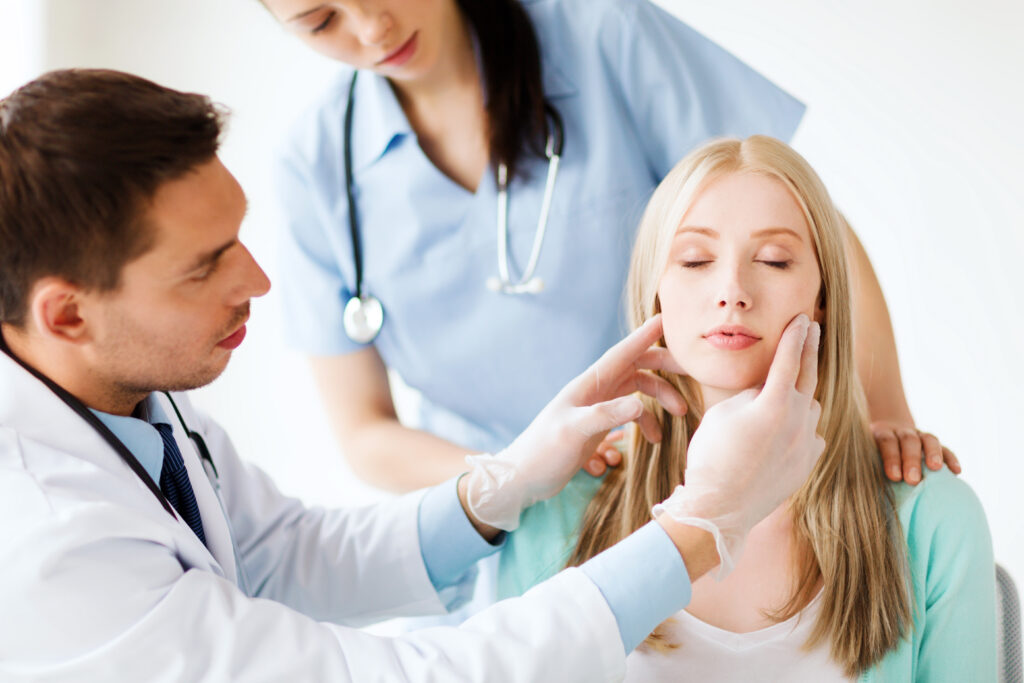

Pre-operative testing such as blood work and an ECG is conducted. On the day of the procedure, the donor and recipient sites are marked while assessing the condition of the face and body.
After tumescent local anesthesia (a technique in which diluted anesthetic, vasoconstrictor, and electrolyte-containing saline are infiltrated into the fat layer), fat is harvested via syringe aspiration from donor sites such as the thighs, abdomen, or hips. The required amount of fat is collected, with attention to preserving the contour of the donor site.
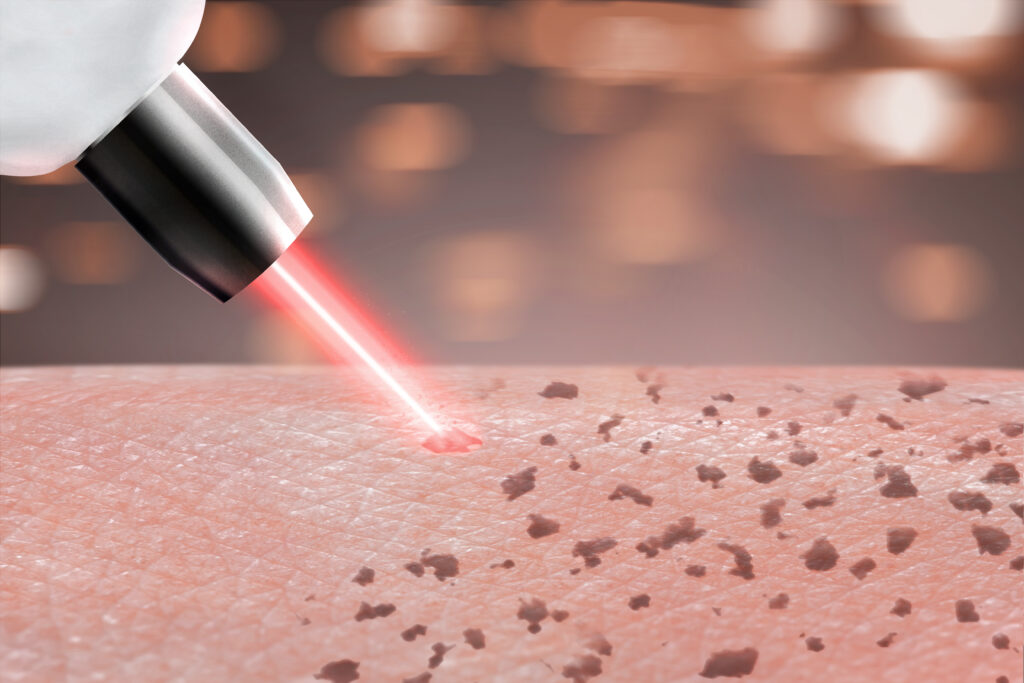
The harvested fat is processed by centrifugation to remove impurities such as blood, fluid, and damaged fat cells. Fat cells in a state more conducive to engraftment are selected and prepared for injection.

Using a fine needle or cannula, the physician injects the processed fat in small layered amounts at the recipient site. To support graft survival, the fat is distributed in small portions rather than injected as a single bolus. The needle position is carefully verified throughout to avoid intravascular injection.
A compression garment is applied to the donor site, and the recipient site is cooled. Please rest at home on the day of the procedure. Suture removal at the donor site is performed 5–7 days post-op, and follow-up visits are scheduled at 1, 3, and 6 months. If additional treatment is desired based on graft survival, this can be discussed after 6 months.
Physician’s comment
About fat grafting
Fat grafting is an autologous tissue transplant using your own fat cells. Unlike hyaluronic acid or synthetic implants, it uses your own tissue, which may offer a natural texture and feel. Engrafted fat is reported to remain long-term, and longer-lasting results are one of its features.
At our clinic, the harvested fat is centrifuged to remove impurities (blood, fluid, damaged fat cells) and prepared in a state more conducive to engraftment before injection. Graft survival is reported at around 40–70%; non-engrafted fat is gradually absorbed over 2–6 months. Multiple sessions may be needed for adjustment depending on the desired size.
The principal concern with facial injection is the risk of vascular embolism caused by intravascular injection. The forehead, glabella, and area around the nose are anatomically high-risk zones, and cases of vision impairment and stroke have been reported worldwide. At our clinic, we proceed with careful injection grounded in vascular anatomy and carefully judge whether high-risk areas should be treated.
For breast fat grafting (autologous fat breast augmentation), lumps and calcification may affect mammographic imaging during breast cancer screening. Before the procedure, we confirm any family history of breast cancer, and after the procedure we recommend periodic MRI screening at a breast surgery clinic.
Combined with liposuction, fat grafting allows a same-day approach in which the “areas where you want less fat” and “areas where you want more volume” are addressed together. If you are considering total body contouring, please discuss it during consultation.
As a surgical procedure, understanding the risks is important. We will help you understand serious risks—rare but not zero—so you can proceed with full awareness. We will speak honestly, including about whether the procedure is right for you in the first place.
Together Menu Recommended combinations
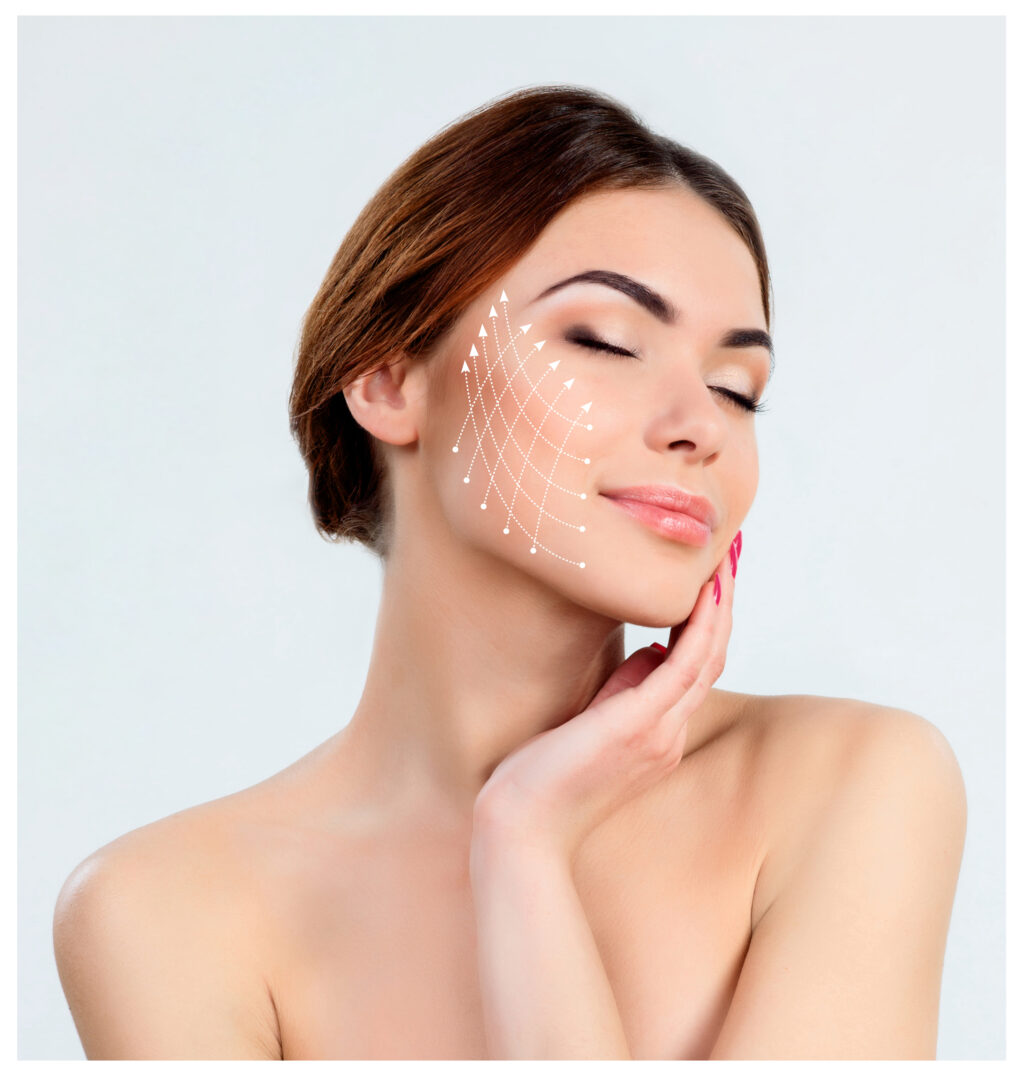
Fat grafting is generally performed on the same day as liposuction. Combined with other injectables or lift treatments, you may also consider total facial care.

Q&A (Frequently asked questions)
- How long does fat grafting last?
-
The portion of injected fat that engrafts (typically around 40–70%) integrates as your own tissue and is reported to remain long-term. Non-engrafted fat is naturally absorbed over 2–6 months. Changes may also occur with aging or weight fluctuations.
- What is the difference between fat grafting and hyaluronic acid?
-
Hyaluronic acid is a short procedure providing temporary results that are absorbed in roughly 6 months to 1 year. Fat grafting is a surgical procedure with downtime, but the engrafted portion may offer long-lasting results. Some patients use fat grafting for broad-area volume enhancement and hyaluronic acid for localized fine adjustments. Which is more suitable depends on your concerns and lifestyle, so please discuss this during consultation.
- What is the graft-survival rate?
-
It is generally reported at around 40–70%, but varies between individuals depending on the recipient area, injection volume, constitution, and post-operative care. We aim to support graft survival through centrifugal processing and distributed injection, but graft survival cannot be guaranteed. Adjusting the injection volume to account for survival, or finishing in multiple sessions, is recommended.
- Where is the fat harvested from?
-
It is generally harvested from areas with abundant subcutaneous fat such as the thighs, abdomen, or hips. The physician will recommend appropriate sites based on your wishes and the condition of your fat. It can also serve as an option for body contouring at the donor site.
- Can I receive fat grafting if I have little body fat?
-
A body type that allows sufficient fat for injection is required. Slim individuals or those with little fat at the donor sites may not be candidates for the procedure. The physician will assess fat volume and subcutaneous tissue condition during consultation and determine eligibility.
- Will the swelling be noticeable after facial injection?
-
This depends on the area and volume injected, but immediately after injection, swelling can be approximately 1.5–2 times the volume injected. Major swelling subsides over 1–2 weeks, with the final result emerging at 2–6 months. Please book at least 1–2 months before any important events.
- How many cup sizes can breast fat grafting add?
-
An increase of approximately 1–1.5 cup sizes per session is the typical guide, though this varies between individuals depending on the elasticity of the existing skin and tissue and on graft survival. Multiple sessions may be required to reach the desired size. Achievable sizes will be discussed in detail during consultation.
- After breast fat grafting, what should I do for breast cancer screening?
-
If lumps or calcifications form after fat grafting, they may affect mammography imaging. We recommend periodic MRI screening at a breast surgery clinic, and please always disclose your fat-grafting history at screening. Confirming any family history of breast cancer before the procedure is also important.
- Can men receive facial fat grafting?
-
We welcome male patients for both visits and procedures. We are happy to consult with men concerned about age-related thinning of the face, including “hollowed cheeks,” “temple hollows,” “tear-trough hollows,” and “forehead hollows.” We also see male patients who would like to address a “tired-looking” appearance. Because men have thicker skin and a different fat layer, we adjust injection volumes and site selection by sex.
- What kind of impression results from fat grafting to a man’s forehead or temples?
-
Forehead and temple hollows in men can contribute to a “drawn” or “aged” impression. By adding natural volume with fat grafting, a more youthful or softer impression may be achieved. We aim for a natural volume that does not over-emphasize the bone structure, with injection plans that preserve a masculine contour.
- What happens if a complication occurs?
-
Post-operative observation is conducted at 1, 3, and 6 months to detect complications early. In the unlikely event a complication occurs, we will manage it at our clinic or refer you to another medical facility. If serious symptoms appear (severe pain, skin discoloration, vision abnormalities, breathing difficulty, etc.), please contact our clinic or an emergency medical facility immediately.
- Can I receive treatment while pregnant or breastfeeding?
-
Treatment is not available during pregnancy or breastfeeding. Please discuss the procedure once your menstrual cycle has stabilized after delivery and the end of breastfeeding.
Why patients choose us

Which is better for me—fat grafting or hyaluronic acid?

Fat grafting offers “natural, longer-lasting results from your own tissue,” while hyaluronic acid filler offers “a short procedure for localized, adjustable changes”—each with a different role. We listen to the scope of your concerns, your desired duration of results, and your downtime considerations, and recommend a treatment that fits. For fat grafting, we use centrifuge-processed fat to support graft survival and aim for careful facial injection grounded in vascular anatomy. Combined with liposuction, the same-day “reduce fat where you want less, transfer it where you want more” approach is also possible. We will speak honestly, including about whether the procedure is right for you in the first place. Please feel free to come in for a consultation and medical examination.
Self-pay treatment / risk information (details)
■ About self-pay treatment
This procedure is a self-pay treatment not covered by Japanese national health insurance. All listed prices are tax-included. Please refer to the “Pricing” page for details.
■ About equipment and technique
Our clinic uses syringe aspiration under local tumescent anesthesia (a technique infiltrating diluted anesthetic, vasoconstrictor, and electrolyte-containing saline into the fat layer) for fat harvesting, and centrifugation for fat processing, performing autologous tissue grafting in which your own fat is processed before injection. The instruments used (syringes, cannulas, centrifuge) are all medical devices distributed in Japan.
■ Approval status in Japan and use overseas
This procedure is “autologous tissue grafting” and is not subject to the regulatory approval system for pharmaceuticals or medical devices. Similar autologous fat grafting is widely performed in cosmetic surgery in Japan and overseas, and is positioned as a standard technique by professional bodies including the American Society of Plastic Surgeons (ASPS) and the International Society of Aesthetic Plastic Surgery (ISAPS).
As an autologous tissue graft, the procedure is outside the coverage of Japan’s public relief system for drug-related side effects (Pharmaceutical Side Effects Relief System).
■ Main risks & side effects
Pain, swelling, bruising, numbness, lumps, calcification, asymmetry, individual variation in graft survival, fat necrosis, infection, scarring, and individual variation in results.
Serious risks (facial injection): intravascular injection causing vascular embolism, skin necrosis, vision impairment, and stroke. The forehead, glabella, and area around the nose are anatomically high-risk zones.
Serious risks (breast injection): fat necrosis, lumps, calcification, cyst formation, infection, and effects on imaging diagnosis (mammography).
Donor-site risks: fat embolism, deep vein thrombosis, skin necrosis, nerve injury, asymmetry, and contour irregularities.
While the incidence is reported to be low, it is not zero. If you experience symptoms suggestive of a serious side effect (severe pain, skin discoloration, vision abnormalities, breathing difficulty, etc.), please contact our clinic or an emergency medical facility immediately.
■ Those who cannot receive treatment
Those who are pregnant or breastfeeding; those with cardiac or respiratory conditions; those with poorly controlled diabetes; those with bleeding tendencies; those taking anticoagulants; those with keloid-prone skin; those with active infections; those with autoimmune disorders; those with a personal or family history of breast cancer (for breast injection); those with extremely low body fat; minors; those with anesthetic allergies; those with skin disorders at the treatment site; or anyone the physician determines is unsuitable for the procedure.
■ Important notes
Fat grafting is a surgical procedure that requires 3–6 months of follow-up to reach the final result. Graft survival is reported at around 40–70% and varies between individuals. Multiple sessions may be needed for adjustment depending on the desired size. This is not a procedure for immediate results. After breast procedures, please consult a breast surgery specialist regarding MRI screening.
*All listed services are self-pay (not covered by Japanese national health insurance). *All listed prices are tax-included.
Fat Grafting Pricing
A treatment that uses your own fat, processed via centrifugation. All prices include tax.
*The base price includes a small-volume fat harvest, centrifugal processing, and injection.
*If a larger harvest volume is required, an additional liposuction option fee will apply.
Facial Injection
| Area | Price |
|---|---|
| Forehead | JPY 300,000 |
| Temples (bilateral) | JPY 250,000 |
| Cheeks / nasojugal groove / midface | JPY 350,000 |
| Chin / marionette lines | JPY 250,000 |
| Full face 4-area set (forehead, temples, cheeks, chin) | JPY 900,000 |
Breast Injection (Augmentation)
| Volume | Price |
|---|---|
| Bilateral 200cc (approx. half-cup increase) | JPY 800,000 |
| Bilateral 400cc (approx. one-cup increase) | JPY 1,000,000 |
| Bilateral 600cc or more (full volume) | JPY 1,300,000 |
*Volume and desired final appearance can be discussed during consultation. Achievable injection volume varies by individual depending on the original breast tissue and skin elasticity.
Harvest Sites & Add-on Options
The base price includes a small-volume fat harvest. The following options are available if you require a larger harvest volume or wish to also contour the harvest site itself.
| Additional liposuction at the harvest site | 50% of the corresponding “Liposuction” price (e.g., lower abdomen +JPY 225,000) |
|---|---|
| IV sedation (large areas / breast cases) | +JPY 50,000 |
| Compression garments (girdle, harvest-site garment) | Included |
| Post-op follow-up (1, 3, and 6 months) | Included |
| Pre-operative testing | Included |
*All prices include tax.
*All treatments are self-pay (not covered by Japanese national health insurance).
*Fat survival rates vary by individual. A follow-up period of 3-6 months is required for the final result to stabilize.
*Prices are subject to change without notice.
Our Doctors
Supervising Physician / Aesthetic Surgeon
Yuki Takamido, MD
Specialties
Aesthetic surgery / Oculoplastic surgery
Career
2014: Graduated from Mie University School of Medicine
2015: Meitetsu Hospital
2017: Fujita Health University Hospital — Assistant Professor
2020: Founded Flamingo Aesthetic Clinic
2021: Branch director, Shiromoto Clinic Aesthetic Surgery
2021: Co-founded Viviage Clinic (Kokoukai Medical Corporation)
2022: Ace Clinic (Ichibikai Medical Corporation)
2023: Director, Sakae Aesthetic Clinic — Sakae branch
Currently: VIVIAGE ZONNE CLINIC (Kokoukai Medical Corporation)
Areas of expertise
Hyaluronic acid filler, thread lift
Eyelid surgery (lower-eyelid fat removal for dark circles, transcutaneous & transconjunctival Hamra technique, midface lift, double-eyelid surgery, blepharoptosis surgery)
Aesthetic dermatology procedures
Society memberships
Japanese Society of Oculoplastic and Reconstructive Surgery
Japan Society of Aesthetic Plastic Surgery
Japanese Society of Aesthetic Dermatology
Japanese Society of Anti-Aging Medicine
Days available
Wednesday, Friday (10:00–17:30)
Occasional Saturdays (dates vary; please confirm by phone or LINE)

Director
Minoru Horisawa, MD
Book a Consultation / Contact Us
If you have any concerns, please feel free to reach out.
Our consultation, including the doctor’s examination, is available free of charge.
Hours: Mon, Tue, Wed, Fri, Sat 10:00–17:30 (Closed Thu, Sun)
T.O Building 4F, 3-33-30 Sakae, Naka-ku, Nagoya — about a 4-minute walk from Yabacho Station